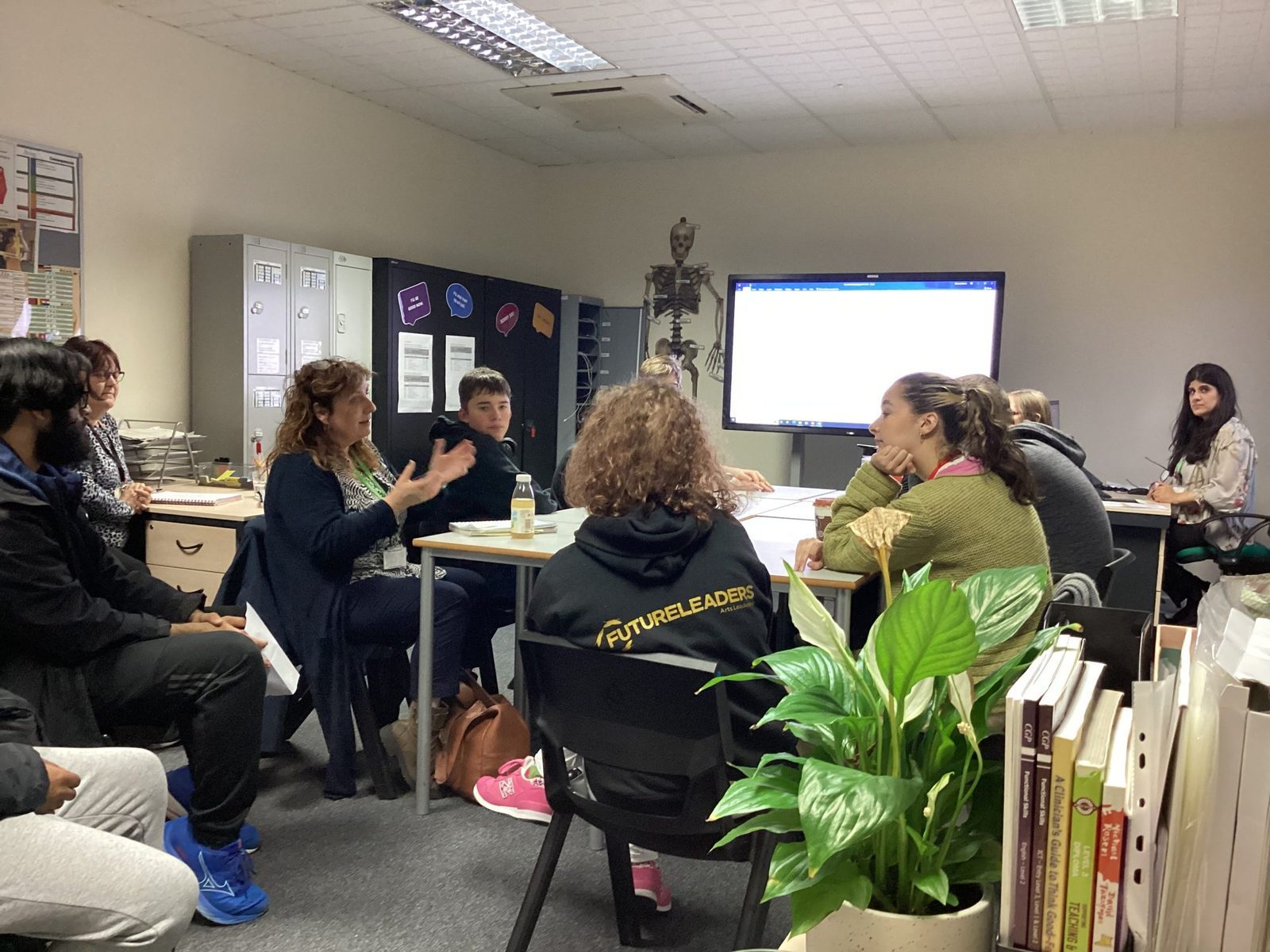
Pupil voice for schools in England will often involve Ofsted during an inspection visit.
Ofsted recognised the importance of pupil voice in education and has incorporated it into their inspection framework. Usually, Ofsted will couch their interactions with pupil voice under the ‘Personal Development’ part of the inspection framework.
This states that they expect schools to provide opportunities for pupils to have their say on matters that affect them, and that pupils are listened to and that their views are taken into account. Inspectors are expected to evaluate the extent to which pupils are engaged in their own learning and are given opportunities to influence decisions that affect them.
Ofsted recognizes that pupil voice can contribute to a school's improvement, and they encourage schools to involve pupils in self-evaluation, planning, and decision-making processes. Ofsted expects schools to demonstrate how they have listened to pupils' views and taken them into account when making decisions.
- Establish a culture of student leadership: Encourage students to take on leadership roles and responsibilities within the school community. This could involve creating a student council or involving students in decision-making processes around school policies and procedures. By fostering a culture of student leadership, schools can empower students to take an active role in shaping their learning experiences.
- Create opportunities for student input and feedback: Provide students with opportunities to share their opinions, ideas, and feedback on a regular basis. This could involve implementing regular student surveys or focus groups to gather input on topics such as curriculum, teaching methods, and school policies. By incorporating student input and feedback into decision-making processes, schools can ensure that their practices align with student needs and interests.
- Promote inclusive practices: Ensure that all students, regardless of their background or ability, have an equal opportunity to participate in pupil voice initiatives. This could involve providing support and accommodations for students with special educational needs or involving students from diverse backgrounds in leadership positions. By promoting inclusive practices, schools can ensure that all students have a voice and are able to contribute to the school community.
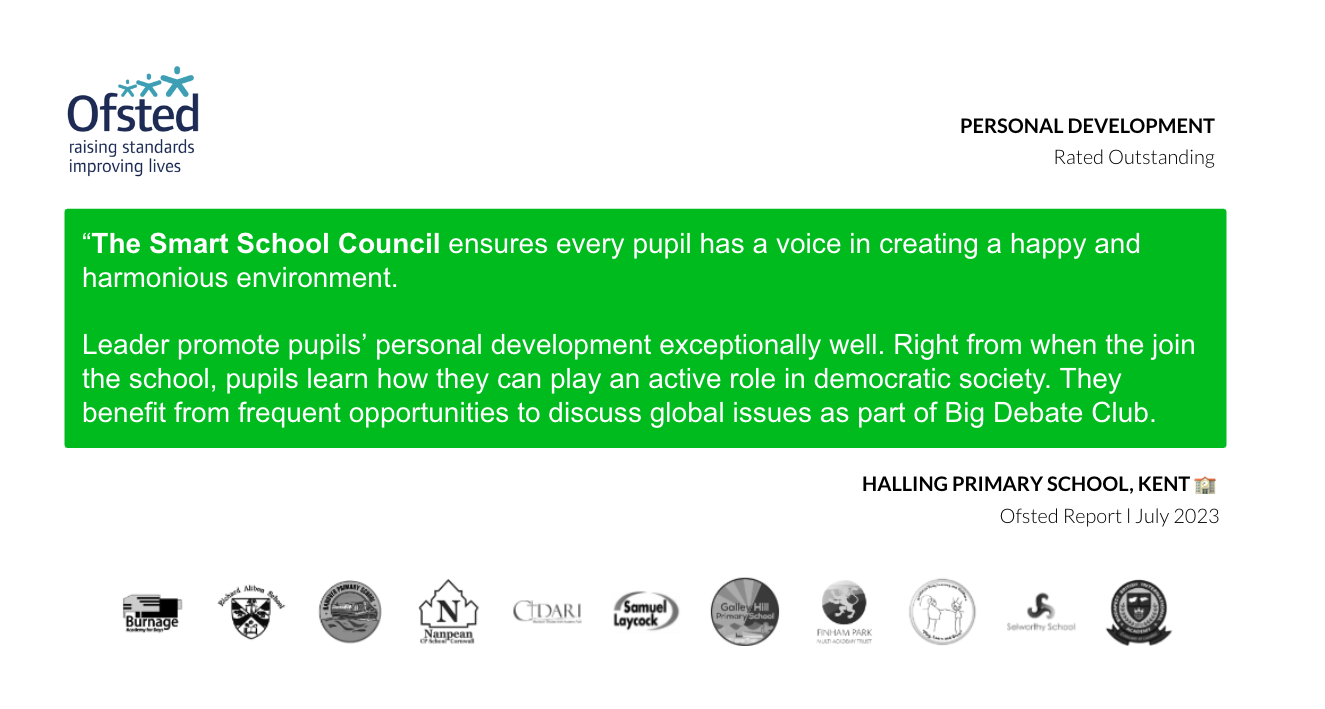
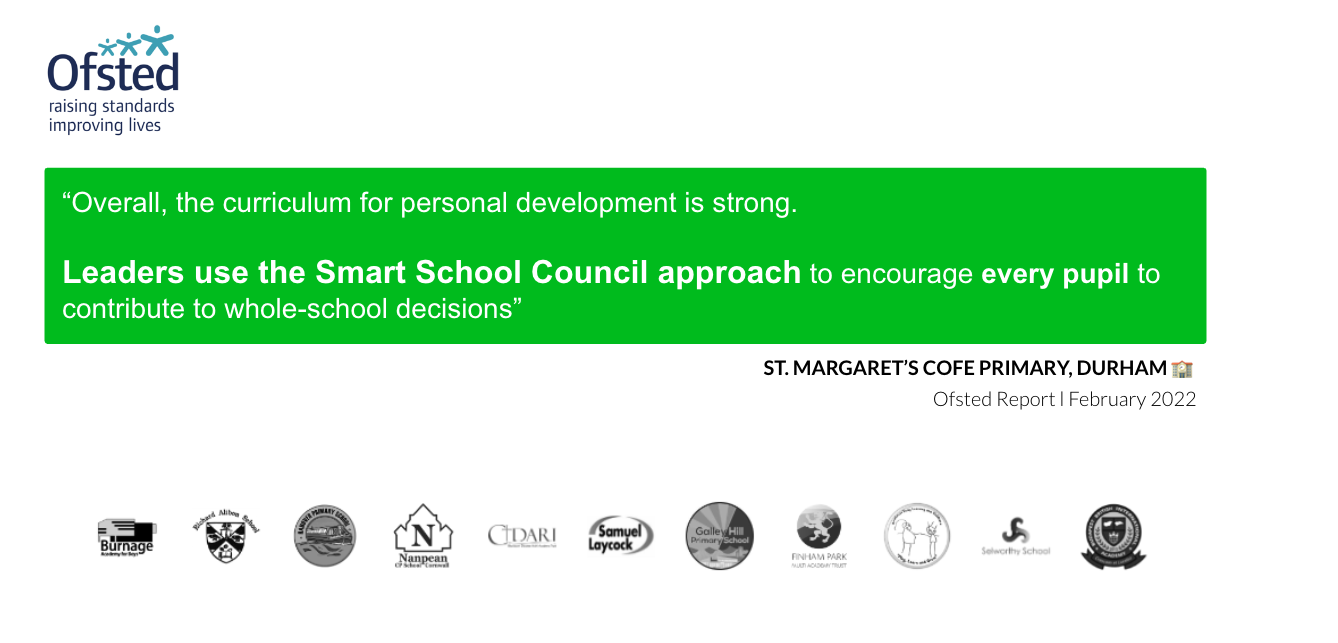
The Smart School Council model has featured positively in many recent Ofsted reports.
Here’s a few recent ones:
If you’d like to find out more about the Smart School Council approach, click here.