Who gets elected to a school council?
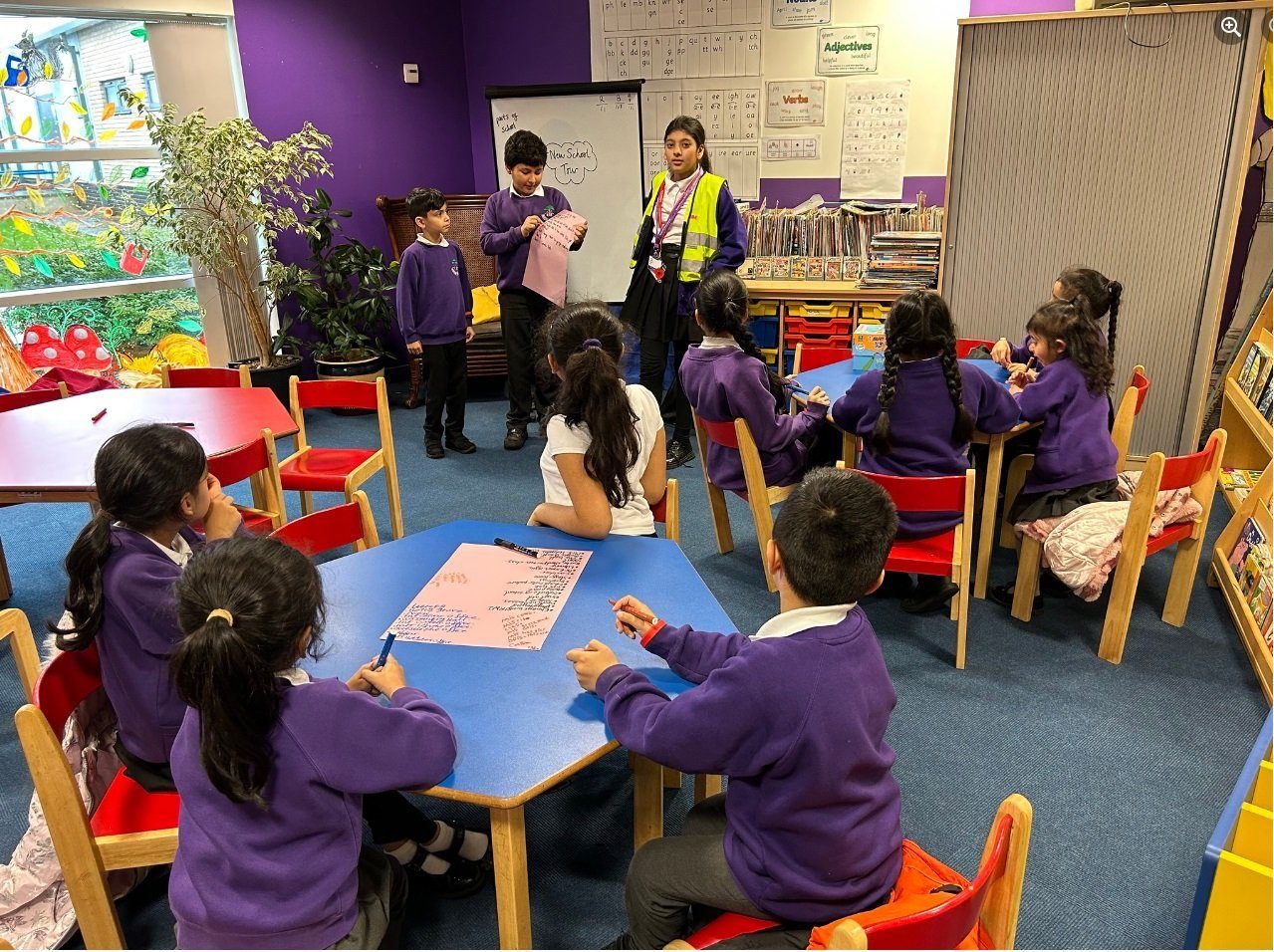
A class meeting at Barden Primary School
A child’s social background predicts whether they get a seat on the school council. The link was strongest of all in England.
Isabel Kempner and Professor Jan Germen Janmaat, UCL Institute of Education. A survey of school councils across Europe, published by Brill as School Councils: Democratic Forums or Exclusive Clubs?
Almost every school we work with wants the same thing: for every child to be heard, not only the ones who put their hand up.
Research from UCL’s Institute of Education suggests the traditional school council is not how that happens. It found that a child’s social background predicts whether they get a seat, and that the link was strongest of all in England.
Some schools call it a student council, some a pupil council, some a school parliament. The finding is the same whatever the name is: who ends up in the room is not a random sample of the school.
What the research found
Isabel Kempner and Professor Jan Germen Janmaat surveyed school councils across Europe and ran the results through multilevel regression models, asking two separate questions: does a school have a council at all, and who takes part when it does. The second question is the one that matters for anyone thinking about equity.
At the level of the individual child and at the level of the whole school. The pattern held across countries and was sharpest in England.
The children who already expect to go far in education are the ones most likely to be sitting in the room where pupil voice happens.
Boys and girls take part in roughly equal numbers. The likeliest reason is that many schools simply ask for one boy and one girl from each class.
That third finding is the most useful thing in the study. Nobody closed the gender gap on school councils with a campaign or a training day. They closed it with one line in the instructions. Where a school changes the rule, the imbalance goes, which suggests the other gaps are not fixed either. They are a design problem, and design problems can be solved.
Published as School Councils: Democratic Forums or Exclusive Clubs? by Kempner and Janmaat, Brill.
Why it happens, and why it is not about the school
Janmaat names the mechanism in a phrase borrowed from Walther.
“First learn, then participate.”
The model behind most school councils, and the reason it filters
A traditional council is voluntary and competitive. To get a seat, a child puts themselves forward, speaks in front of the class, and is chosen by enough of their classmates. So the model asks children to arrive already holding the thing it exists to give them.
The confident child gets more practice at being listened to. The quieter one, the child with additional needs, the child whose family has never sat on a committee, gets less. Every year, the gap widens a little.
An elected council
Two children per class, chosen
And the two are not a random two. That is the whole finding.
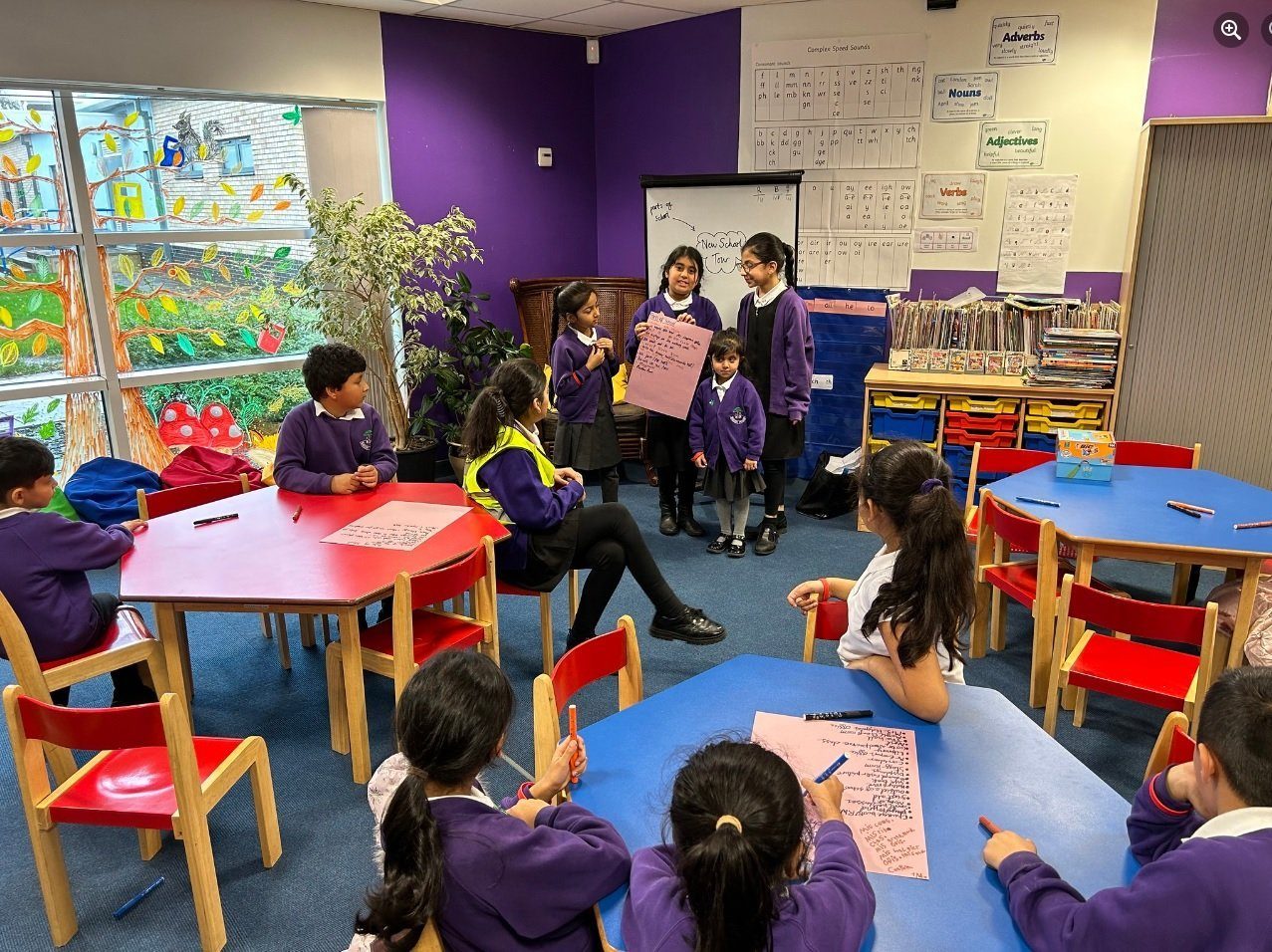
A class meeting
Every child, every class
Nothing to be chosen for, so nothing to be left out of.
This is not a story about schools getting it wrong. Councils are set up in good faith, usually by someone doing it on top of a full timetable, and an election is the obvious way to be fair. It just turns out that a competitive election quietly rewards whoever is already comfortable competing, and it does that in the warmest, most inclusive school you have ever walked into.
“So should we stop doing school councils?”
That question was asked out loud at an event we hosted with UCL’s Institute of Education in September 2023, where Kempner and Janmaat presented their findings and our colleague Karen O’Connor spoke alongside them. It came from Janmaat himself. If a council mostly serves the children who need it least, what is it for?
He set out three ways forward.
Provocative, and he said so himself. It also gives up the one place in a primary school where children get to practise democracy at all.
Speech quotas in discussion, a rota for who represents the class. It genuinely works. It also asks more of the person with the least time to give.
Stop selecting. Give every class the meeting, so there is nothing to be chosen for and nobody left out of it.
What we buildWe think it is the third one, and we have spent a decade building the part that makes it workable, because including everyone is easy to agree with and hard to do at half past two on a Wednesday with two staff off and an assembly overrunning.
What including everyone looks like in practice
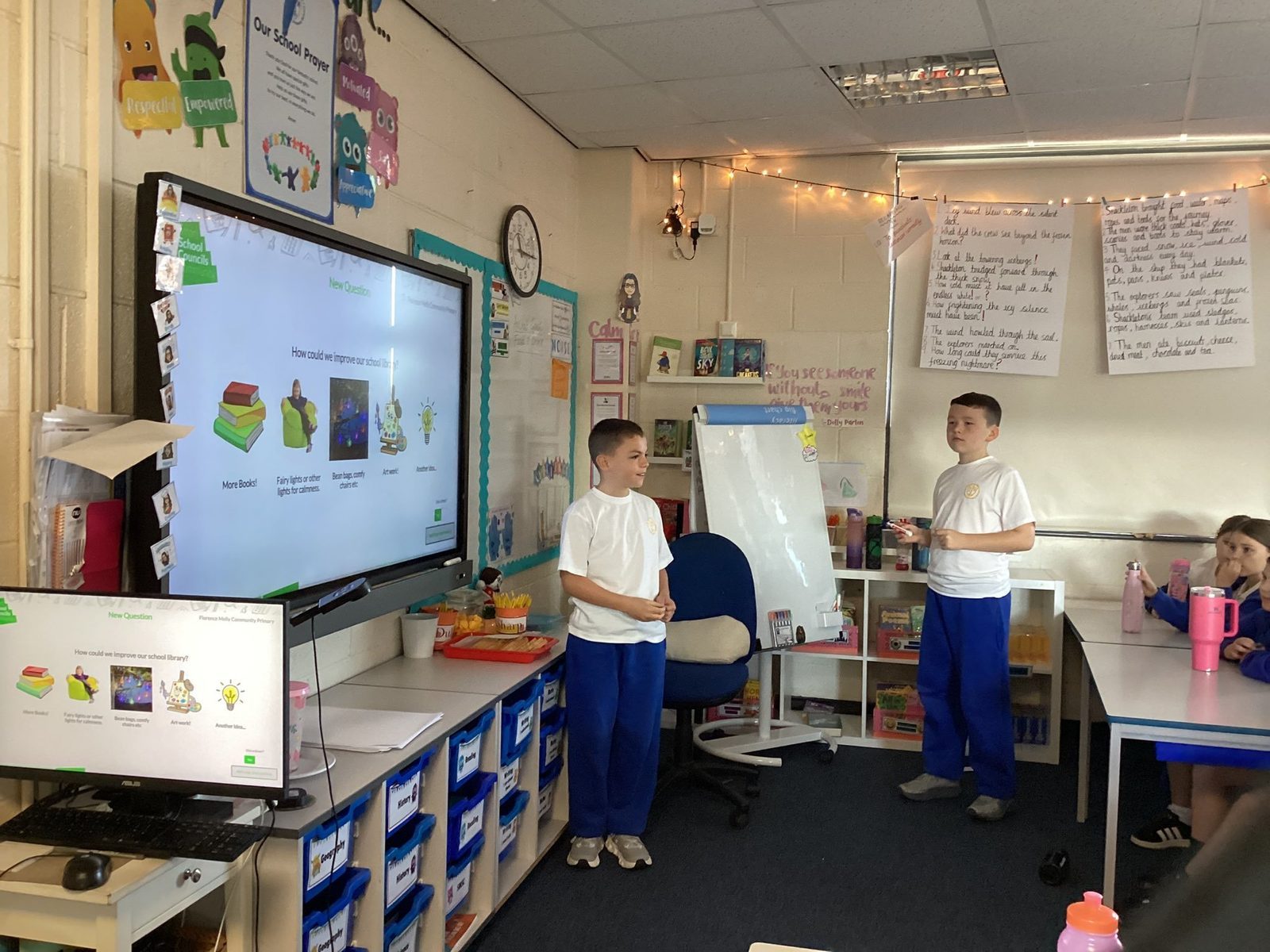
Every class holds the same short meeting, in class, on the same question. The slides, the debate pack and the video arrive ready, so there is nothing to plan and nothing to print. The pupils run it.
The council does not disappear. Its job changes: it stops trying to speak for the other children and starts gathering what they actually said, and doing something with it.
There is no election to win, so there is nothing to be filtered out of. The quiet child is in the room because the room is their classroom.
Greg’s TEDx talk
Why the school council is the most-wasted opportunity in a primary school
Read it yourself
No form and no gate. If you want to check any of this, or take it to your governors, this is where it comes from.
See it in your school
Twenty minutes with us and you will know whether this works for the school you actually run, with the staff you actually have.
Book 20 minutes →