
Developing a sense of responsibility is a key part of pupils’ personal development.
Schools want pupils to take ownership, contribute positively and understand the impact of their actions. However, these qualities are not developed through instruction alone. They grow through regular opportunities to take part, make decisions and see the outcomes.
This is where pupil voice plays an important role.
When structured effectively, a school council provides a clear and consistent way for pupils to practise responsibility in a meaningful context.
Here are three ways schools are building student responsibility through their school council.
1. Involve pupils in shaping decisions
Responsibility develops when pupils feel that their views contribute to real outcomes.
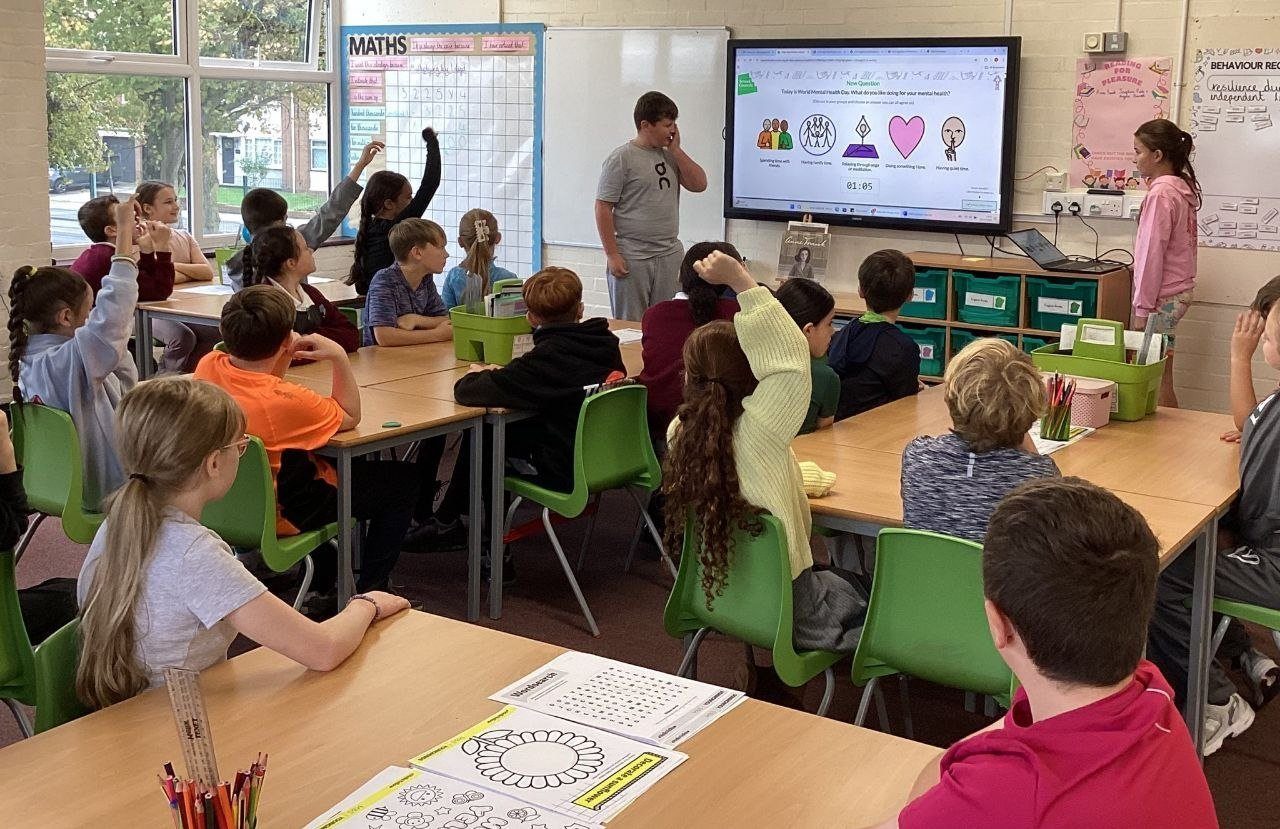
School councils can provide regular opportunities for pupils to discuss topics that affect their daily experience, such as:
- behaviour and expectations
- learning environments
- school routines and systems
What this can look like in practice: 📌* Pupils take part in structured class discussions, with ideas gathered and shared through the council.
When pupils are involved in shaping decisions, they begin to understand that their voice carries responsibility as well as influence.
2. Give pupils clear roles within discussions
Responsibility is strengthened when pupils are trusted with specific roles.
Within school council and class discussions, pupils can take on roles such as:
- leading or facilitating conversations
- ensuring everyone has a chance to speak
- summarising key points and ideas
What this can look like in practice: 📌* Roles are rotated so that all pupils have the opportunity to take part and develop confidence.
This helps pupils understand the importance of listening, fairness and contribution, all of which are central to responsible behaviour.
3. Link pupil voice to visible outcomes
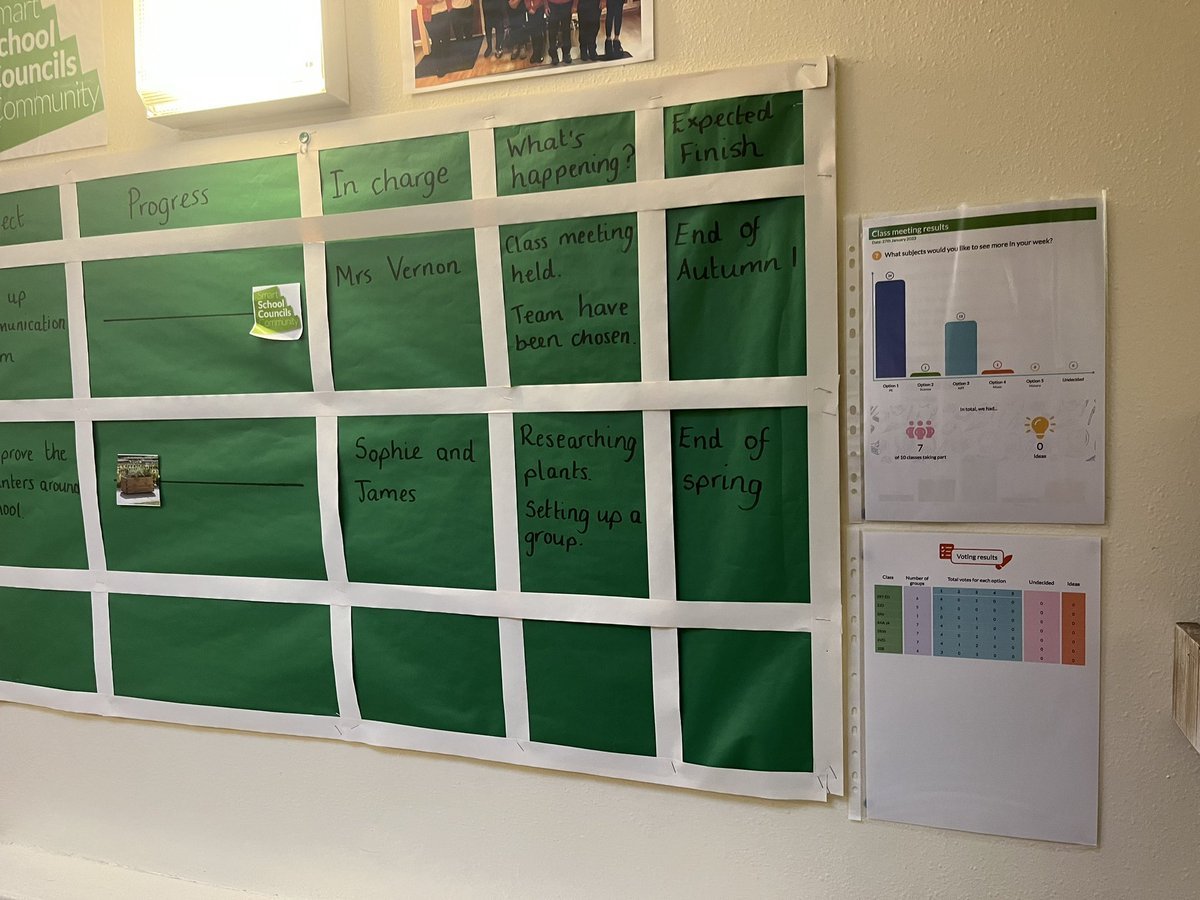
One of the most effective ways to build responsibility is to show pupils that their contributions lead to action.
When pupils see the outcomes of their discussions, they begin to recognise:
- the impact of their ideas
- the importance of thoughtful contribution
- their role within the wider school community
What this can look like in practice: 📌* Schools regularly share outcomes from pupil discussions, highlighting changes or decisions influenced by pupils.
This reinforces the message that responsibility is not just about participation, but about contributing to positive change.
Making responsibility part of everyday school life
Building student responsibility does not require additional programmes or complex systems.
It can be developed through simple, consistent routines that:
- involve all pupils in discussion
- provide opportunities to take on roles
- connect ideas to real outcomes
When pupil voice is structured in this way, responsibility becomes something pupils experience regularly, not something they are simply told about.
In summary
School councils can play a central role in developing responsible, engaged pupils.
By embedding regular discussion and clear structures, schools can:
- give pupils a meaningful role in decision-making
- build understanding of responsibility and accountability
- create a culture where pupils contribute positively to their community
Most importantly, this approach helps ensure that pupil voice leads to action, strengthening both responsibility and engagement across the school.