
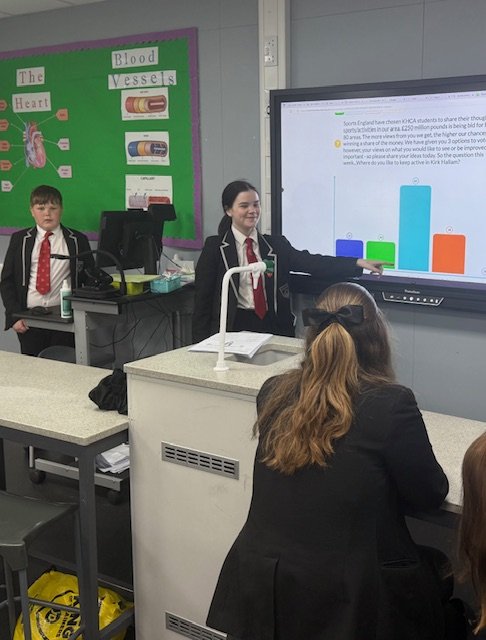
Confidence is one of the most important skills pupils take with them beyond school.
It supports communication, decision-making and the ability to take part in wider society. However, confidence is not developed through one-off opportunities. It grows through regular practice in safe, supportive environments.
This is where school councils play an important role.
When pupil voice is structured and consistent, it provides ongoing opportunities for pupils to develop confidence that extends beyond the classroom.
Here are three ways school councils help build lasting confidence.
1. Giving pupils regular opportunities to express their views
Confidence grows when pupils are given consistent opportunities to speak and be heard.
School councils create regular moments where pupils can:
- share ideas
- contribute to discussions
- express their opinions on issues that matter to them
What this can look like in practice: 🔍* Pupils take part in structured class discussions before feeding ideas into the school council.
Over time, this repetition helps pupils become more comfortable expressing their thoughts, not just in school, but in other situations as well.
2. Developing communication and listening skills
Confidence is closely linked to communication.
Through school council discussions, pupils learn how to:
- explain their thinking clearly
- listen actively to others
- respond thoughtfully
- express different viewpoints respectfully
What this can look like in practice: 🔍* Pupils build on each other’s ideas during discussions and practise contributing in a structured way.
These skills are transferable and support pupils in a wide range of contexts, including group work, presentations and future opportunities beyond school.
3. Helping pupils see the impact of their voice
Confidence increases when pupils understand that what they say matters.
School councils provide opportunities for pupils to see how their ideas contribute to real outcomes.
What this can look like in practice: 🔍* Pupil discussions lead to changes or improvements within the school, and these outcomes are shared clearly with pupils.
This helps pupils develop:
- a sense of ownership
- belief in their ability to influence change
- confidence in taking part in decision-making
These are skills that extend far beyond the classroom.
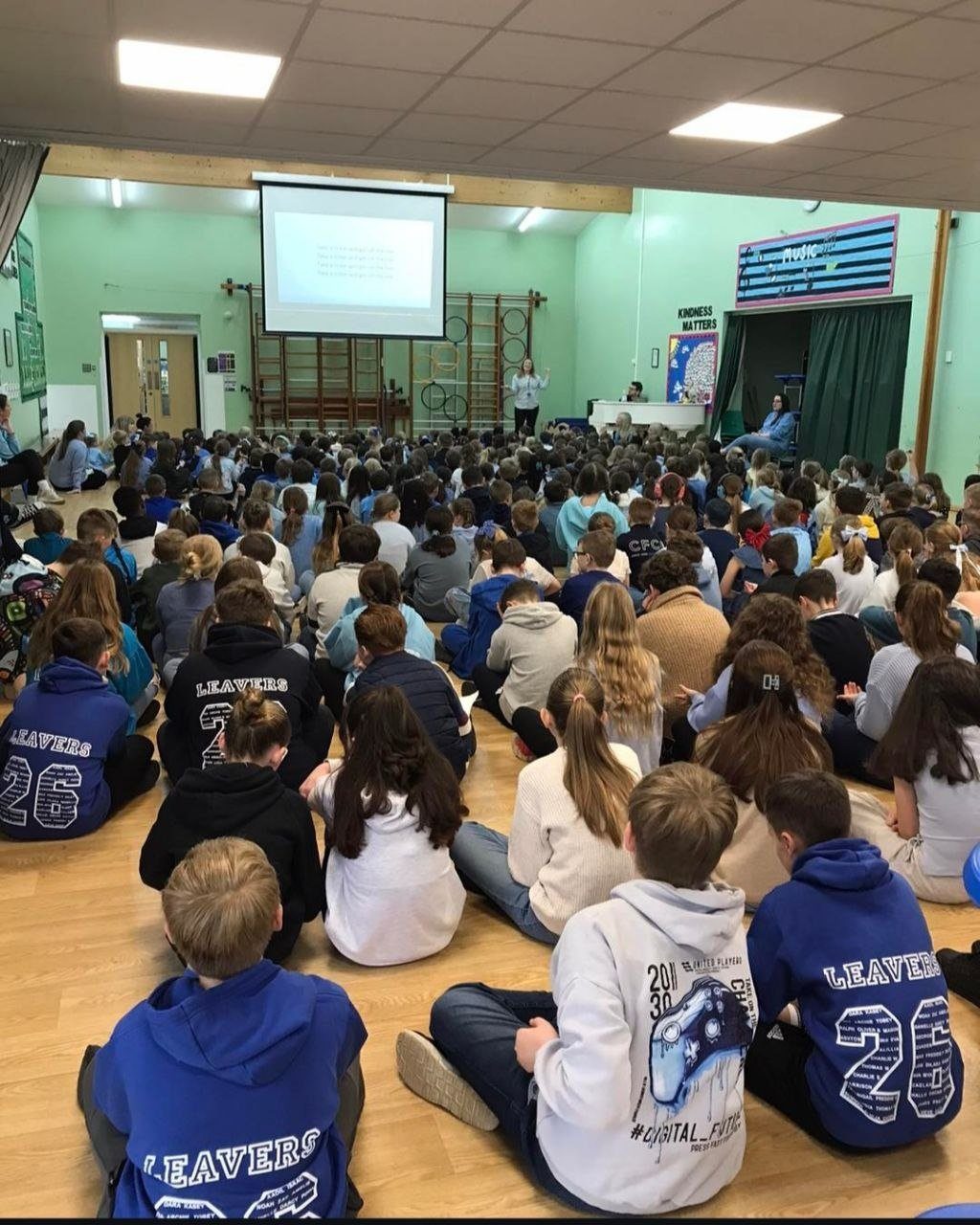
Building confidence that lasts
Confidence is not built through isolated activities. It develops over time through regular, meaningful participation.
By embedding pupil voice into everyday routines, school councils help pupils:
- feel comfortable expressing their ideas
- engage with others’ perspectives
- understand their role within a community
These experiences support pupils not only in school, but in their future education, work and wider life.
In summary
School councils play a key role in developing confident, engaged pupils.
By providing consistent opportunities for discussion and participation, schools can:
- build communication skills
- strengthen self-belief
- support personal development
Most importantly, they help pupils develop confidence that lasts beyond the classroom.