
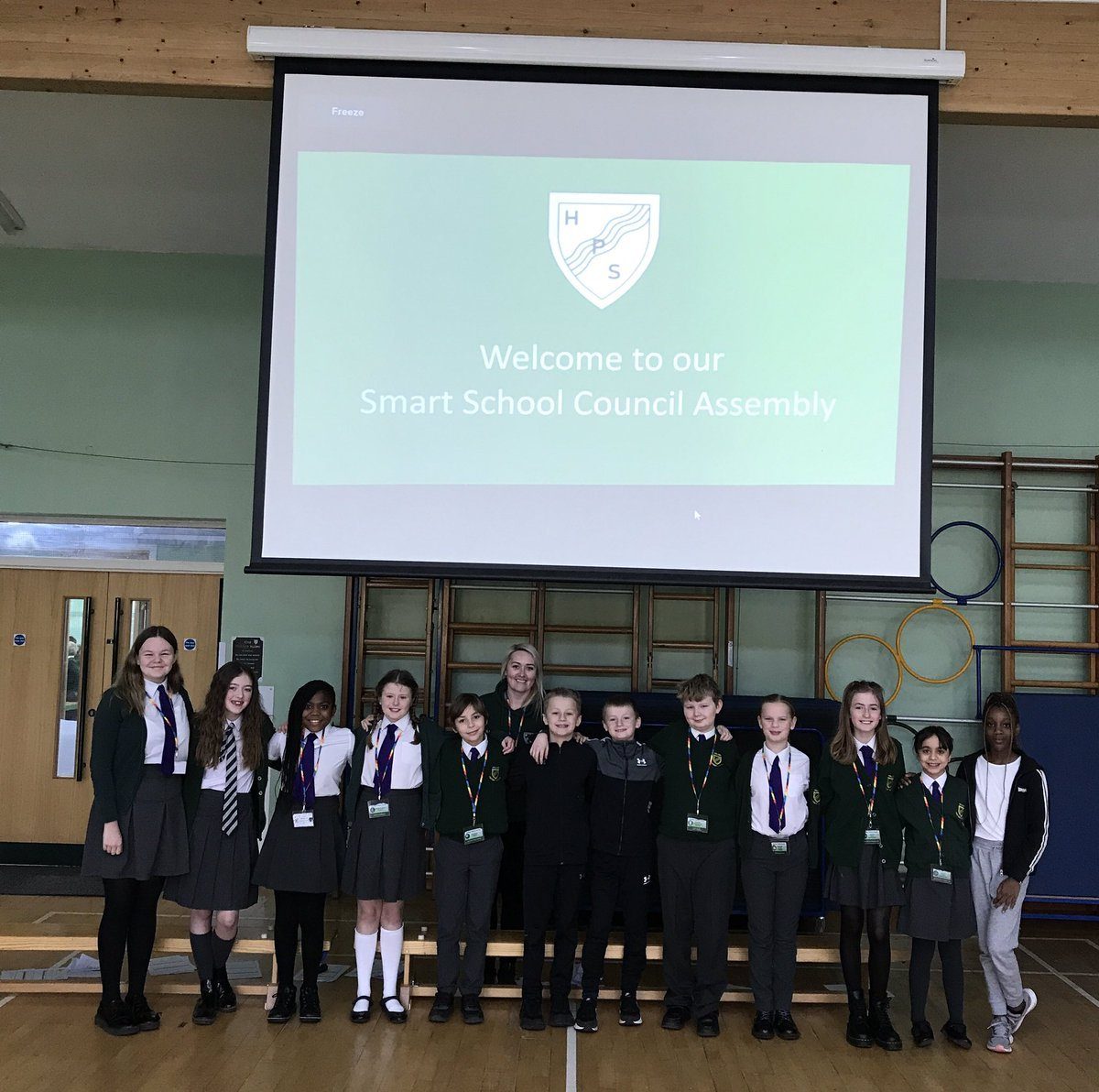
We're delighted that Positive News recently featured us in an article exploring how schools are giving children a greater say in the way their schools are run.
The article highlights something we've believed from the very beginning: pupil voice is most effective when every child has the opportunity to contribute, not just those who feel confident enough to volunteer.
So how can schools make sure every pupil has a voice?
Here are three practical ideas.
1. Move beyond representative-only school councils
Many traditional school councils rely on a small group of elected representatives to speak on behalf of everyone else.
While this gives some pupils leadership opportunities, it can mean many voices are never heard.
Instead, consider starting discussions in every classroom before bringing ideas together through the school council. This allows every pupil to contribute, regardless of their confidence or communication style.
📌 What this can look like in practice:
At Halling Primary School, every class takes part in regular discussions before ideas are shared through the school's Communications Team. This has helped pupils influence changes including new lunchtime clubs, buddy benches and improvements to the playground.
2. Give pupils regular opportunities to speak
Confidence grows through practice.
Rather than asking pupils to speak only during assemblies or occasional meetings, build regular discussion into the school week.
Short conversations about school life, current events or classroom topics help pupils develop confidence, communication skills and respectful listening over time.
These discussions also support wider priorities such as oracy, personal development and SMSC.
3. Show pupils that their ideas matter
Pupil voice becomes meaningful when pupils can see the difference it makes.
Sharing outcomes, celebrating ideas and explaining what happens next helps pupils understand that their contributions have value.
This doesn't always mean making major changes. Sometimes simply explaining why a decision has been made is enough to show pupils they have been listened to.
As Positive News highlights, giving children opportunities to see their ideas lead to action can help them develop the confidence to participate beyond school, whether that's in their local community or later in democratic life.
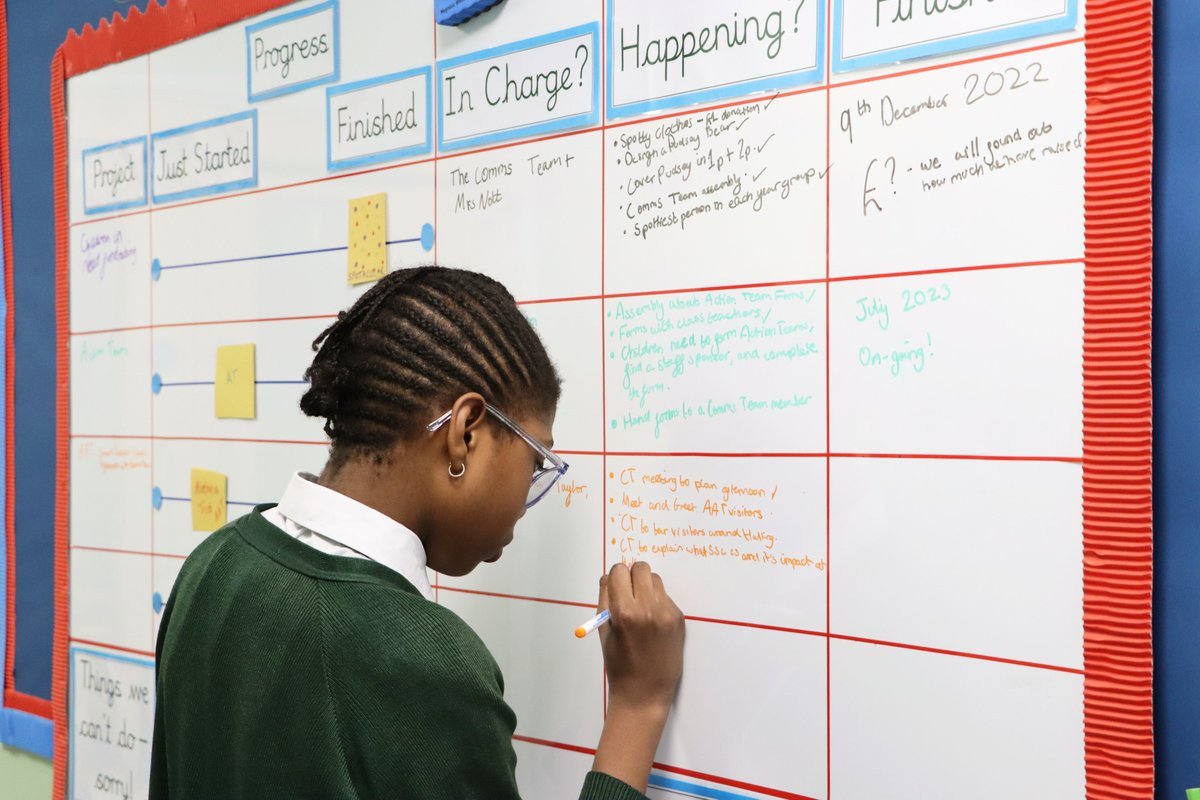
Every voice matters
Creating an inclusive school council isn't about holding longer meetings or introducing more work for staff.
It's about creating simple, structured opportunities for every pupil to contribute, listen to others and see that their voice matters.
As the Positive News feature shows, schools across the UK are demonstrating that meaningful pupil voice can strengthen confidence, improve communication and help pupils become active participants in their communities.
If you haven't already, we'd highly recommend reading the full article, which includes inspiring examples from Halling Primary School and explores why giving children a voice matters now more than ever.
👉 Read the Positive News feature: https://www.positive.news/society/democracy/why-children-are-being-given-a-say-in-how-their-school-is-run/