
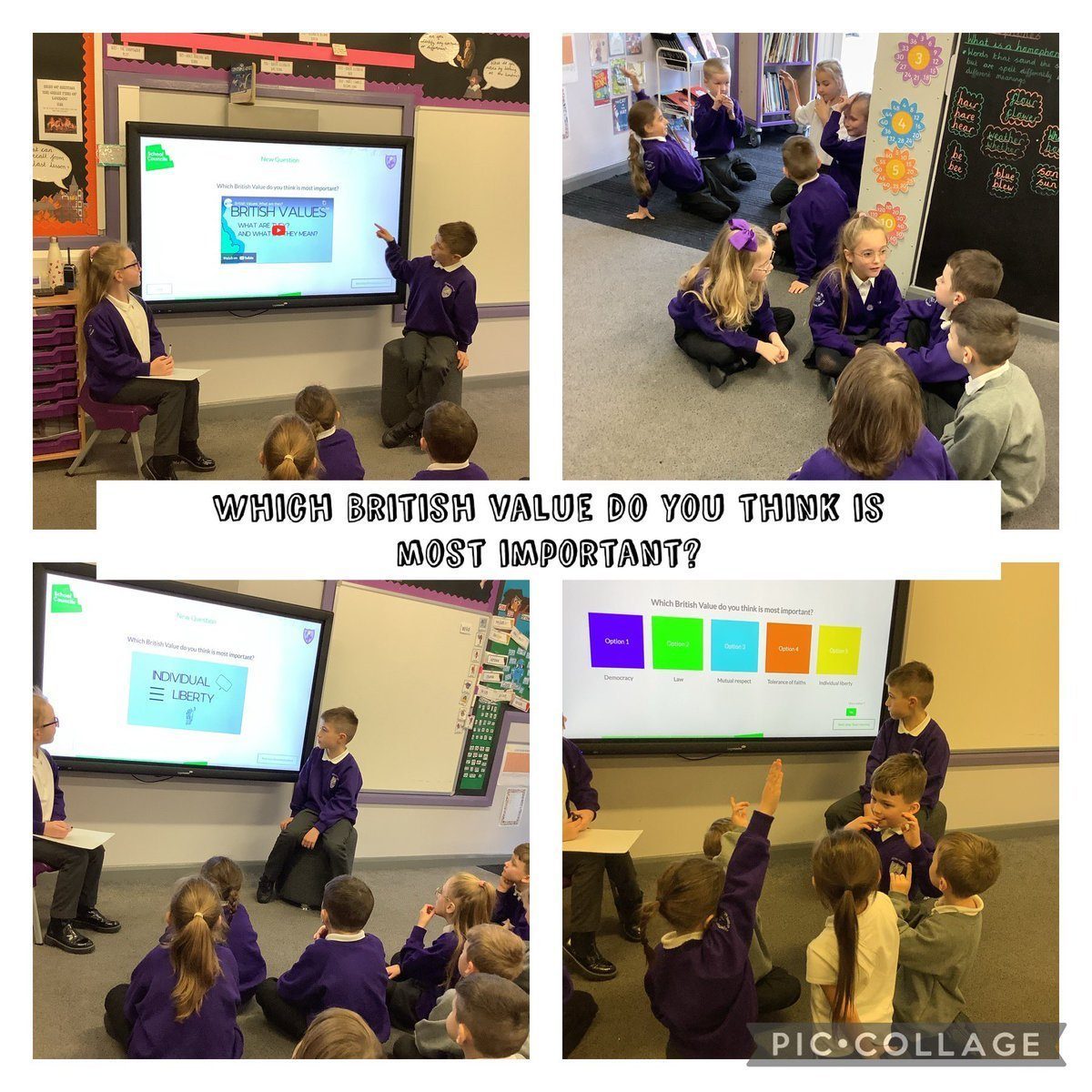
School councils are a valuable part of school life. They create opportunities for pupils to share their views, take part in discussions and contribute to decisions.
However, an important question for many schools is:
What difference is it actually making?
Measuring impact does not need to be complex. With a few clear indicators, schools can understand how effective their school council is and where it can be strengthened.
Here are four practical ways to measure the impact of your school council:
1. Participation across the whole school
One of the clearest indicators of impact is how widely pupil voice is reaching.
Consider:
- Are all classes contributing regularly?
- Are discussions happening consistently across the school?
- Are quieter pupils being supported to take part?
A school council that only hears from a small group will have limited impact. A structure that involves every pupil ensures a broader and more representative voice.
What this can look like in practice: 🔎* Regular class discussions feed into council meetings, ensuring ideas come from across the school.
2. Quality of pupil discussion
Impact is not just about how often pupils speak, but how they speak.
Look at whether pupils are developing skills such as:
- explaining their ideas clearly
- listening to others
- responding thoughtfully
- expressing different viewpoints respectfully
What this can look like in practice: 🔎* During discussions, pupils build on each other’s ideas, ask questions and show increasing confidence in sharing their views.
Over time, this reflects growth in communication, oracy and confidence.
3. Evidence of pupil voice leading to action
A key measure of impact is whether pupil ideas lead to change.
Consider:
- What changes have been influenced by pupil input?
- How often are ideas taken forward?
- Are outcomes shared with pupils?
What this can look like in practice: 🔎* Schools gather ideas, identify common themes and implement changes, whether small or large.
This ensures pupil voice leads to action rather than remaining as discussion alone.
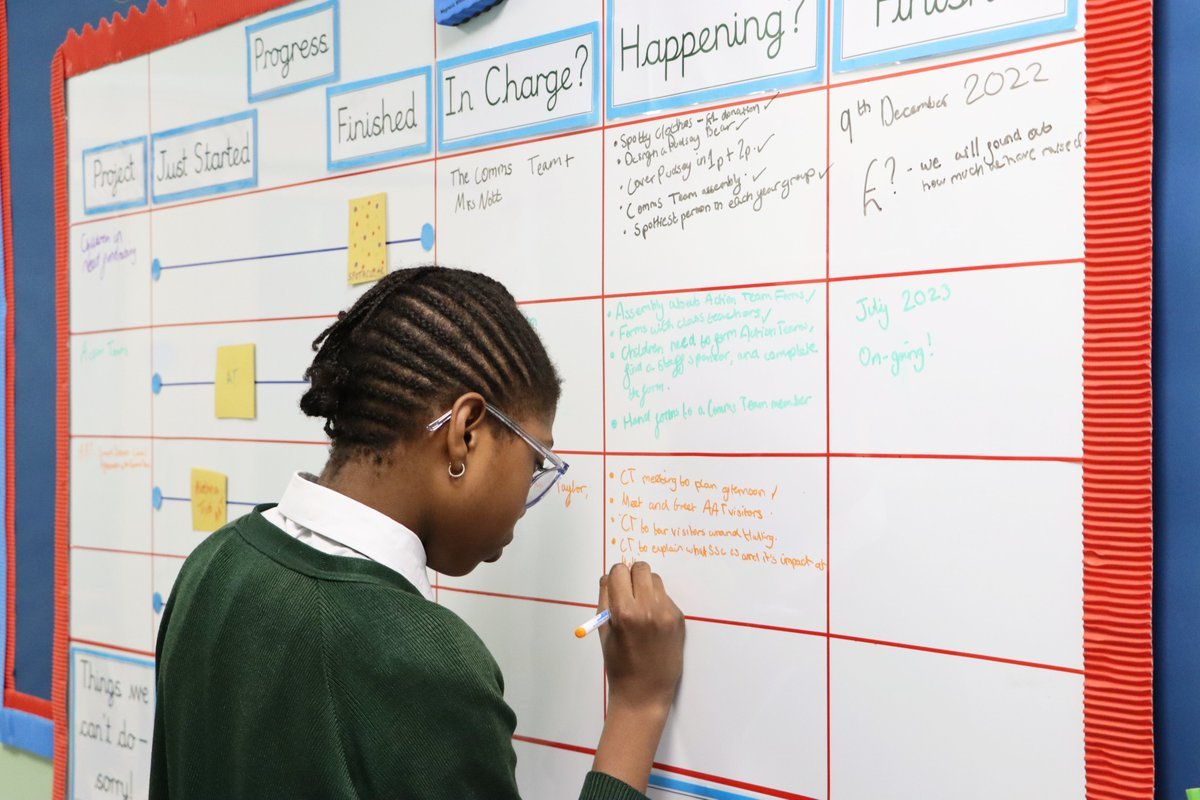
4. Visibility and understanding across the school
For a school council to have impact, pupils need to understand how it works and why it matters.
Reflect on:
- Do pupils know how to share their views?
- Do they understand what happens to their ideas?
- Can they see examples of impact?
What this can look like in practice: 🔎* Pupils are aware of how their voice is collected and can recognise where their ideas have influenced decisions.
This builds trust, engagement and a stronger sense of ownership.
Measuring impact without adding complexity
Measuring impact does not require additional systems or paperwork.
By focusing on:
- participation
- quality of discussion
- visible outcomes
- pupil understanding
schools can gain a clear picture of how their school council is working.
These insights can then be used to refine and strengthen pupil voice moving forward.
In summary
A strong school council is not defined by how often it meets, but by the difference it makes.
By measuring the right things, schools can:
- ensure every pupil is heard
- support communication and confidence
- demonstrate impact across key areas such as personal development and SMSC
Most importantly, it helps ensure that pupil voice remains meaningful and continues to shape school life.