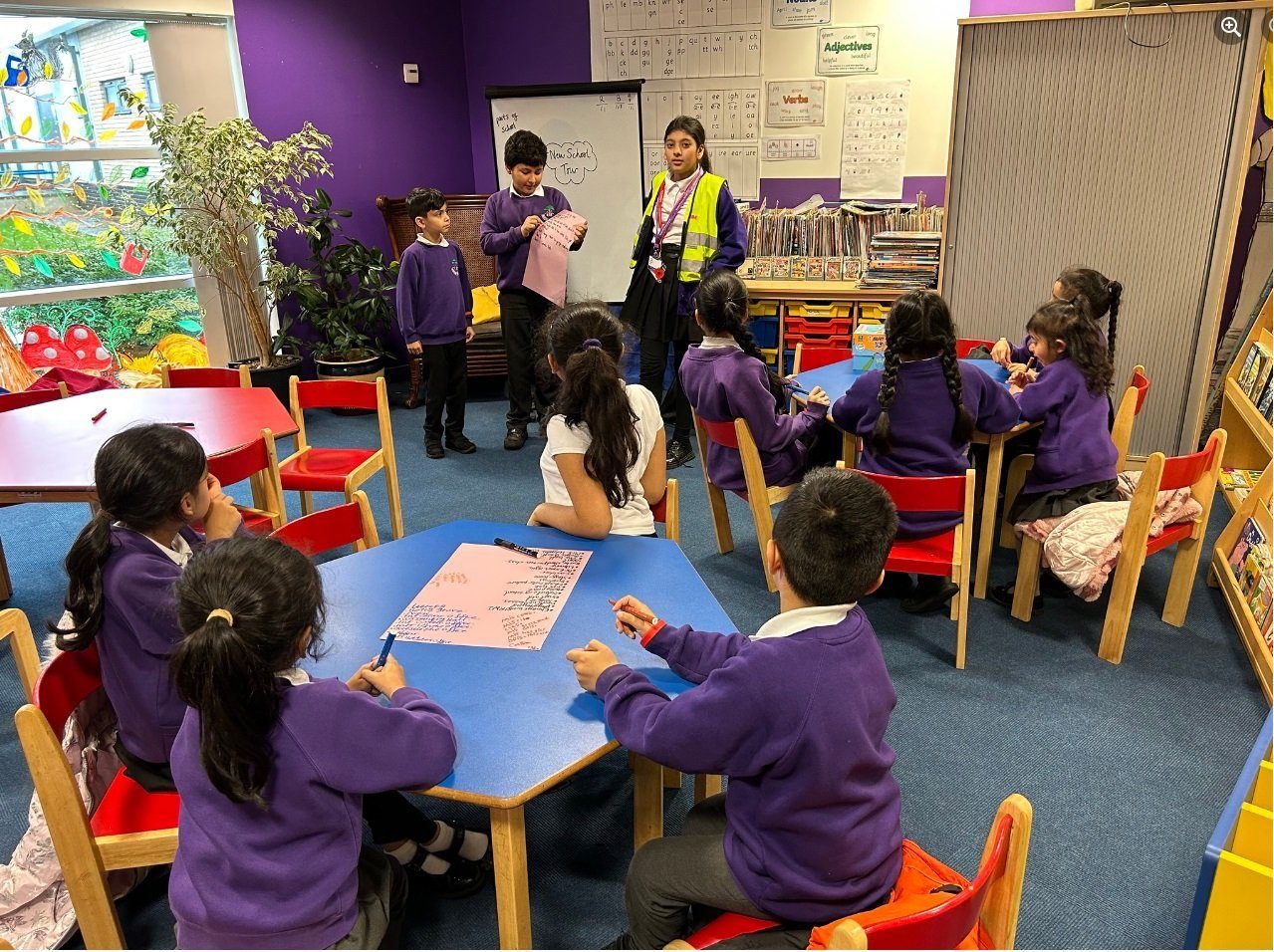
A few years ago we co-hosted an event with UCL's Institute of Education. Isabel Kempner and Professor Jan Germen Janmaat came to present the findings of their book, School Councils: Democratic Forums or Exclusive Clubs?, and our own Karen O'Connor spoke alongside them.
Partway through, Janmaat asked the room a question we did not expect from a professor of political socialization.
Should we abandon school councils altogether?
He was not being flippant. His research, across school councils in Europe, had found that a pupil's social background predicts whether they get to take part. Not loosely. Significantly, at the level of the individual child and at the level of the whole school, and most strongly of all in England. Educational aspiration predicted it too. So if the one place in a primary school where children practise democracy mostly serves the children who need it least, it is a fair question what it is for.
Why it happens
Janmaat named the mechanism in a phrase that has stuck with us ever since: "first learn, then participate."
A traditional school council is voluntary and competitive. To get elected, a child has to put themselves forward, speak in front of the class, and be chosen. Which means the model asks children to already have the confidence it is supposed to build in them.
Nobody designs it that way. It just falls out of running an election.
The three ways out
Janmaat offered three. Abandon them. Ask teachers to police the fairness, with speech quotas and rotas, which works but lands on the busiest person in the building. Or involve everyone, so there is nothing to be selected for and nothing to be left out of.
We think it is the third one, and we have spent a decade building the part that makes it practical at half past two on a Wednesday.
There was one piece of good news in the research, by the way, and it is the most useful thing in it. Gender came out balanced. The likeliest reason is gloriously dull: lots of schools simply stipulate one boy and one girl per class. Where a school sets the rule, the imbalance disappears.
We have put the whole thing in one place, with the book, the event and every finding: who gets elected to a school council.