Primary · Gateshead
How Kells Lane Primary took class meetings down into the nursery, without adding to anyone's workload
Kells Lane already had a smart school council when Rachel Gray took it on, and it mostly reached the older children. She pushed it down to nursery and reception, handed the choice of question to the pupils, and spent the rest of her time showing staff it was not extra work. This is how the school runs it now.
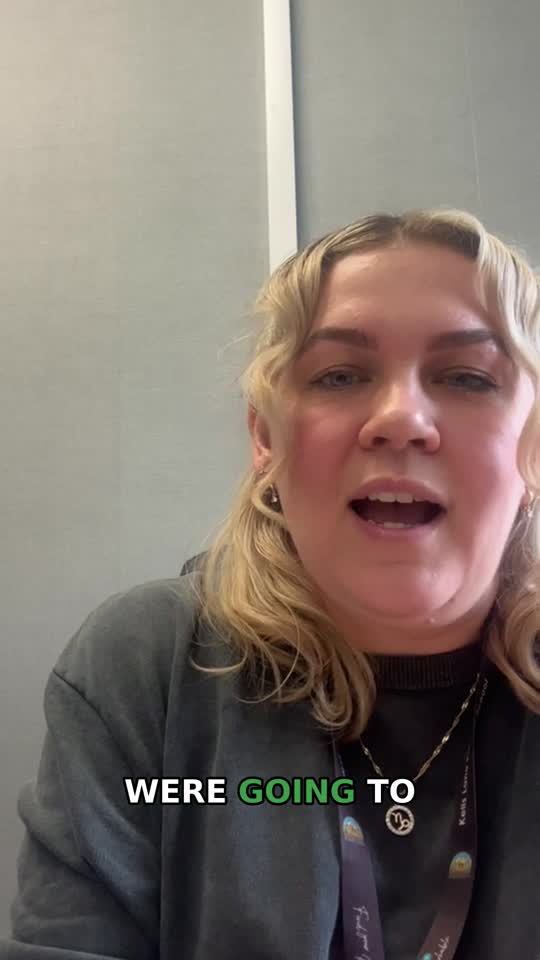
“The children are citizens now, and what they think now matters, and the change they make now. It's not all about making them ready for the world. Actually, they're living in the world now.”
Rachel Gray, Character Development Lead, Kells Lane Primary School
- School
- Kells Lane Primary, Gateshead
- Setting
- Primary with a nursery
- Running since
- Just before lockdown, about five years
- Take-up
- Generally 95% of the school on the day
The situation
Kells Lane is a primary school with a nursery in a built-up part of central Gateshead. Rachel Gray has taught there for five or six years, most of her career in early years and about three in Key Stage 2. She is also the character development lead, which is how the smart school council came to her.
Before Kells Lane, she had seen the other version.
Upper Key Stage 2 kids, and you have an agenda from the teachers basically, and you can make change in the realms that the teachers deem. Rachel Gray, Character Development Lead
Rachel Swinbank, now the headteacher, brought Smart School Councils in as deputy head just before lockdown and led it for the first year or two. What Rachel Gray walked into was not what she was used to.
The nursery and reception kids are involved, which was amazing to me. The class meetings and all of the different ways that the children can get involved, and it's actually a whole school approach. It's not just your kind of good as gold select few. Rachel Gray, Character Development Lead
When her role became character development, she took it on. What she inherited worked. What she changed was who it reached, and where the questions came from.
What they built
A communication team that reaches into the nursery
The communication team is the school's representatives from each class, and at Kells Lane it had been mostly Key Stage 2 children. "I kind of came in and said, no, I'd like that to go right from early years."
It now takes two children from every year group from Year 1 up, plus early years ambassadors: Key Stage 2 children who go and talk to nursery and reception so those views reach the meeting. The team meets every Thursday for 45 minutes as an after-school club, five year olds to eleven year olds in the room. A child takes the minutes on the big whiteboard. Rachel facilitates.
The younger children now are so vocal. They're just as vocal as the older children, and it's just like sitting in a room with adults. I'm just there to facilitate, so they very much lead it. Rachel Gray, Character Development Lead
Once a month the same meeting doubles as the school's rights respecting work, two birds with one stone, because these are the children who already understand why a voice matters.
One question, one protected slot
Class meeting day for the whole school is a Thursday. Kells Lane runs an assembly every day, and the Thursday one is the class meeting, in every year group.
The question goes out at the start of the week, not on the day. Staff get an email on Monday with the question and a short gist of what it involves, so a teacher can place it where it fits, in PSHE or alongside work on debating or politics. Teaching assistants get it too, because they are often covering a class.
The protection comes from leadership: half an hour on a Thursday is for this, and everybody does it. Classes miss it occasionally for a trip, and generally 95% of the school takes part.
The biggest thing I think is time. So we just made sure we carved out a time to do our class meetings, a time to have communication team meet. And obviously I oversee that, but it's the staff who make that happen. Rachel Gray, Character Development Lead
It was not a big launch. "We just started quite slow, and then now it's just like second nature."
Questions the children choose
Kells Lane still uses the suggested questions. Rachel likes having five or six to browse when something like National Poetry Week gives a hook, and she does not dismiss the lighter early ones, the what-superpower-would-you-have sort: "those questions actually give you everything you need in terms of debate and skills."
What changed under her is that the communication team picks. Reviewing results, agreeing actions and choosing the next question all happen in the same Thursday meeting, and children arrive with things of their own. A Year 4 girl came in about the school's new pens.
Mrs Gray, I really, really need to sort this out. There are left-handed people and they're smudging their work because these new pens. Rachel Gray, Character Development Lead, quoting a Year 4 pupil
That week's whole-school question was whether to order left-handed pens.
The girls' football day in the ball court came the same way. Girls told the communication team they felt pushed out a little by the boys and did not often get to play, the school debated it in a class meeting, and Rachel, the deputy and the PE lead worked out what they could do. It keeps moving: on the morning of the interview, the teaching assistant who referees came in to say the children needed asking again. "So I've got members of staff coming to me to say we need to ask the children this."
Heavier subjects go the same route: Black Lives Matter, natural disasters, and whether there should be a Black History Month at all.
Class meetings with four and five year olds
Rachel's answer to how you run this with reception is that they are already doing it.
I think the thing to remember is that they're doing it all day every day anyway. You're just not labelling it. Rachel Gray, Character Development Lead
Her example is two pots, two storybooks and a cube each. Over the morning the children put their cube in for the story they want. "That's democracy, you know?"
The build is done by term. Kells Lane has 60 reception children working in three groups of fifteen. In the autumn there is no computer in the room: the question and its options go on a little whiteboard, the children talk to a partner, and they stand up or sit down to vote. That can be all they do for a term. By spring you add the debate, the listening and the responding. By the summer the note taker walks round the groups asking what they came up with, and each group has nominated a spokesperson. "It's not just a simple yes or a no. They're actually really thinking about the question."
She credits staff being left to work it out for their own children: "trusting your staff to do it the way that they need to do it for those children."
What changed
Children lead assemblies. The play squad came out of it. The communication team has done training with Picture News. The rights respecting work and the smart school council sit under one umbrella, and a Gold Award is next.
Staff now bring questions to Rachel instead of the other way round, and what comes back tells her things she would not otherwise know: "you learn so much about your children that actually you would have never known without that question."
When there were riots near where they live, a Picture News assembly on the Monday meant the children could debate it by the Thursday. What Rachel rates most highly is what happened next.
They're going home, my seven year old class, saying to their parents how they feel about the riots. It's huge. And actually, that's the change. That's just the first step to talking about it. Rachel Gray, Character Development Lead
What Rachel would say to another school
On the objection most schools raise, that a meeting in every class sounds like a lot of work, she is blunt: "it seems complicated, but actually it's not." One person does need to know their way around it, and she suggests having a play first, because she was still finding things two years in.
The best way is to do a class meeting with your staff so that they can actually see how easy it is and how the children just take over. They just do it for you. Rachel Gray, Character Development Lead
The part teachers worry about most is what happens when two children run the room. "They can manage behaviour. They can say to each other, are you listening to one another? They can ding that bell and say, right, it's got a little bit out of hand."
Some questions do need a teacher to know the background before reading them out, and she tells staff to come and ask if they are unsure. Otherwise, "give it a go and explain it to your staff as simply as you can, because it is very simple when you do it."
Underneath the practicalities is why she took it on.
The children are citizens now, and what they think now matters, and the change they make now. It's not all about making them ready for the world. Actually, they're living in the world now. Rachel Gray, Character Development Lead
What another school could copy
- Send the question to staff at the start of the week rather than on the morning. Kells Lane emails every teacher and teaching assistant on Monday with the question and a short gist of what it involves, so anyone covering a class has time to prepare for a topic that needs care.
- Protect the slot from the top. Leadership at Kells Lane has said the half hour on a Thursday is for class meetings and everybody does it, which is why take-up sits at around 95% rather than depending on who remembers.
- Introduce it to staff by running a class meeting with them. Rachel found that watching children take the room over does more to settle worries about workload than any amount of explaining.
- Start early years with a physical vote and nothing else. Talking to a partner and then standing up or sitting down to vote can be the whole of the autumn term, with the debating and listening added in the spring.
- Let the pupil team pick the question. At Kells Lane the communication team reviews the last set of results, agrees actions and chooses the next question in the same meeting, so questions come from things children have actually raised, like left-handed pens.
The full conversation with Rachel
This case study is drawn from a recorded interview. Watch it, or listen to the episode.