SEN · Wolverhampton
How Penn Fields made pupil voice a Monday morning routine across a 5 to 19 SEN school
Penn Fields is a special school for pupils aged 5 to 19. Its Ofsted report had asked for pupils to be more involved in running the school. Four years on, every upper school class debates the same question every Monday morning, and the results reach the menu, the timetable and the school charity.
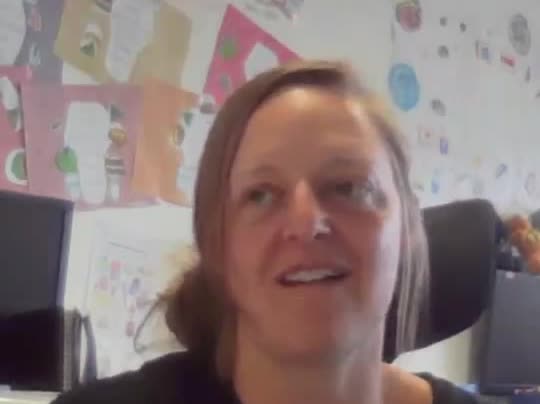
“That's a lot of opinions. That's a lot of voices. That's a lot of children that are actually knowing that we're listening to them, which is why we do it.”
Hannah Jarman, Head of PSHE, Penn Fields School
- School
- Penn Fields, Wolverhampton
- Setting
- SEN school, pupils aged 5 to 19
- Class meetings
- Every Monday, lesson one, all of upper school
- Votes this year
- 734 group votes from around 150 upper school pupils
The situation
Penn Fields is a special school in Wolverhampton for pupils aged 5 to 19. Upper school is mostly pupils with learning difficulties. Lower school has more complex needs, including non-verbal pupils who will come up through the school.
Hannah Jarman has taught SEND pupils for ten years, after twelve years managing at Tesco. She arrived at Penn Fields having watched a school council run at her previous school:
I saw some of the meetings from afar and it always looked very chaotic. There wasn't much action being done. So I suppose I had an idea of what I didn't want it to be like before I'd started. Hannah Jarman, Head of PSHE
The school had a reason to try something different:
Before I started, they had feedback in their Ofsted report about pupil voice. They wanted the students to be more involved in the running of the school, and also increase participation in lessons. Hannah Jarman, Head of PSHE
Two decisions shaped what followed. Class meetings would be run by tutors rather than by a specialist. And Hannah was writing the school's Preparation for Adulthood curriculum at the same time, so the two launched together, presented to the staff team on her first day.
What they built
A class meeting every Monday, in lesson one
Tutor time starts at nine. If there is an assembly it runs first, about fifteen minutes on Teams. Then the whole of upper school goes into the class meeting, tutors in their own rooms with their own groups, an average of about ten pupils in each.
Hannah sends the link out every Friday, and that is the argument she uses with staff:
They don't need to log in. They just click the link and off they go. Hannah Jarman, Head of PSHE
The tutor presses begin and picks the class from a dropdown. The class picks a leader to read the question and a note taker to type and enter the votes. The meeting opens with last week's result and debates it again, a recap that helps pupils hold on to what happened.
She is honest that it takes more from her than it would in a mainstream school:
Here, in terms of staff, I do probably more than what maybe a mainstream staff member would do. But our students still read the questions, so they're our class meeting leaders. In terms of note takers, they do the typing on the computers and put the votes in, which they love. Hannah Jarman, Head of PSHE
Questions with four right answers
Classes split into groups of two or three, kept to odd numbers where possible so a group is less likely to deadlock. Groups debate and go with the majority; if they are split, the tutor gives the deciding vote to whoever argued their case best.
The questions are written so that arguing is the point:
One thing that I do when I set the questions is I don't have right and wrong answers. I have four or five right answers. Hannah Jarman, Head of PSHE
One recent Monday asked why we need to be safe around school: so that everybody can learn, to keep everybody safe, so that people are happy. All correct. The next was on cooperation. Both link to the school's six core values, the current organising thread. Others come from the news, awareness weeks and the curriculum.
Symbols, timers and other ways in
Penn Fields uses Widgit symbols across the school, so questions and answer options are put into symbols and arrive in a format pupils already read. The timer gets used differently in different rooms:
I love the fact that you can turn the timer off. Some of our students need that five minutes to focus them. And some students, they can't cope with the timer, and we turn it off for those classes. Hannah Jarman, Head of PSHE
She is already planning for the pupils coming up from the lower school:
Our students at the minute are able to sit and talk and debate, but it could be in a few years they might not be able to if they're non-verbal. So it's having those signs, those flashcards, different ways of them communicating. Do they point to the options? Hannah Jarman, Head of PSHE
The speech and language team will be brought in, and the school is learning more Makaton and BSL anyway.
A comms team shaped to the pupils
A comms team is a small pupil leadership group that chooses the question going out to every class and decides what happens with the answers. At Penn Fields that role is built around what the students can do rather than around a job description written for a mainstream school.
Every meeting ends with an open box: anything else you want to suggest to make our school even better than it already is. A shoe box with a hole in the top sits in reception for everything else. The communication team reads both.
Hannah is clear-eyed about what that team can do:
Our students, they probably can't do the role of a communication team member in a mainstream, like logging on the computer and analysing the data. They're more my kind of action team for any suggestions in the class meetings. Hannah Jarman, Head of PSHE
They meet to go through the suggestions and work out what is possible. What is possible becomes an action team.
A board on the main floor
The board is on the floor everyone walks past, updated weekly with the vote count for the year, the meetings tally, the questions asked and the action teams with photographs. One section was the pupils' own idea: the things the school cannot do. A four-day week is on there, and bring a pet to school day, which comes up every year.
It's not just something that they do on a Monday for 20 minutes and then it's forgotten. They can see it actually working. Hannah Jarman, Head of PSHE
What changed
Four years of weekly meetings have produced a list pupils can point at:
- A tuck shop, suggested in a class meeting, now run every Tuesday break time.
- Swimming for upper school, after pupils asked for more lessons in the school's own pool.
- The school charity, chosen by vote. Pupils voted to donate food to it, and two now work in its community shop every fortnight as work experience.
- Over £1,000 raised in Hannah's first year by a fundraising action team: sponsored silences, a spare change pot, a cake sale, a raffle and a duck race in the school pool.
- Train Club and Tram Club. A question about trains became an action team of six pupils who met every Tuesday, built stations out of cardboard and entered a competition to design a railway for the West Midlands. They took first place in the mixed ages and abilities category.
- Calendar decisions, from the Penn Fest logo each year to the drop-down days for language and music, so a French week or a drumming day is something pupils know they picked.
- The lunch menu. A select team meets the catering manager every six weeks with what their classmates asked for.
She had tallied the numbers the day before the interview: 734 votes so far this year, and those are groups rather than individual pupils, from around 150 in upper school.
That's a lot of opinions. That's a lot of voices. That's a lot of children that are actually knowing that we're listening to them, which is why we do it. Hannah Jarman, Head of PSHE
The routine matters in itself:
It's part of their routine. Our students need routine. They need to know what's happening, and they know every Monday, assembly, school council. Hannah Jarman, Head of PSHE
What Hannah would say to another school
Her advice starts with staff, not pupils:
If you're going to set it up, get the staff on board with how easy it is. Show them the benefits of it. Show them what you're going to do with the data, and share those results as well. Hannah Jarman, Head of PSHE
It goes on the agenda of the staff meeting every three weeks, and she names the source every time she shares a result, so colleagues connect the outcome to the process.
The second piece came from pupils correcting her. After the first year they told her they suggested things but did not always hear back. Her fix was mechanical: when she sets the next class meeting she adds an action with the feedback and what she has done about it, so the answer arrives in the same place the suggestion was made.
The third is to say no in public rather than in silence. Pupils know a four-day week is not happening. They also know it was written down.
What another school could copy
- Fix the class meeting to a slot pupils already recognise. Penn Fields runs it every Monday in lesson one, straight after assembly, so it is part of the routine rather than something a tutor has to remember to schedule.
- Write questions with four or five right answers instead of a yes or no. A question where every option is defensible produces a real debate; a question with a correct answer does not.
- Turn the timer off for the classes that cannot cope with it and leave it on for the classes that need it. The same question can run in both rooms on the same morning.
- Put the things you cannot do on the board alongside the things you can. Penn Fields lists the four-day week and bring a pet to school day in public, so pupils can see they were heard even when the answer is no.
- Adapt the comms team role to your pupils rather than dropping it. At Penn Fields the comms team does not analyse data; it reads the suggestion box and works out which suggestions can become action teams.
The full conversation with Hannah
This case study is drawn from a recorded interview. Watch it, or listen to the episode.