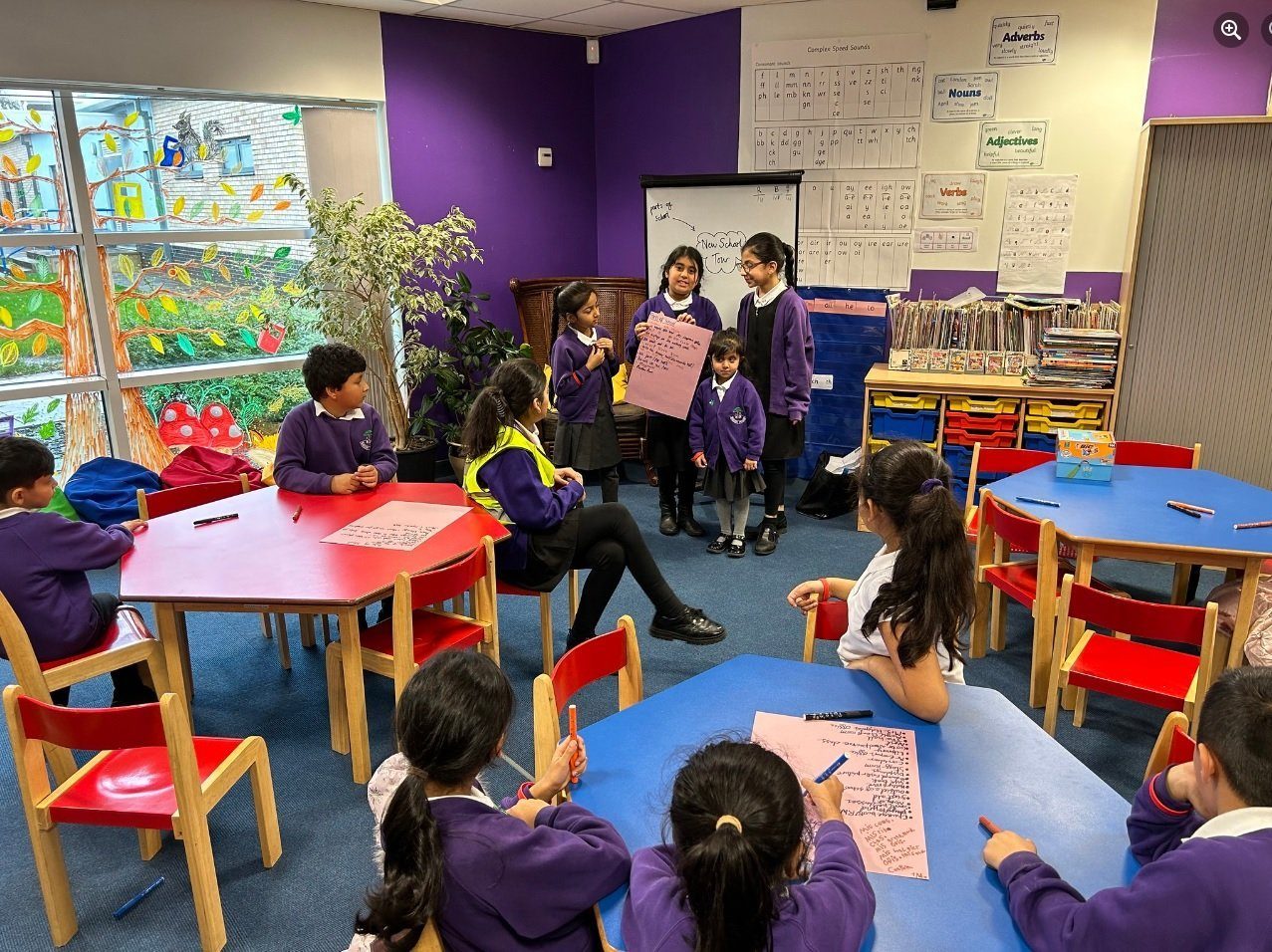
Oracy and pupil voice go hand in hand. When pupils can express themselves clearly, listen to others, and take part in meaningful discussions, they’re not just learning to speak - they’re learning to lead, collaborate, and make their voices count.
Yet, for many schools, building oracy into daily life can feel like one more thing on the list. The good news? Developing oracy doesn’t have to mean complex programmes or hours of training. When it’s pupil-led and embedded in your school council, it becomes a natural part of school life.
Here are three simple ways to make that happen.
1. Give every pupil a voice in structured discussions
Many pupils only get a chance to speak in class when they raise their hand or when a teacher chooses them. A structured discussion system, like regular class meetings, helps every child have a turn - not just the confident few.
📝 Action:
Hold short weekly class discussions using a question that encourages reflection and sharing. Topics can range from “What makes our school a kind place?” to “How could we make break times better?” The aim is to give all pupils the space to practise speaking and listening respectfully.
This also supports British Values and SMSC development, making it easy to evidence how your school promotes democracy and mutual respect.
2. Let pupils lead the conversation
Real confidence comes from ownership. When pupils chair meetings, take notes, and collect votes, they begin to see themselves as leaders - and teachers can take a step back.
📝 Action:
Nominate a pupil meeting chair or discussion leader each week. Give them simple prompts such as, “Who would like to share next?” or “Can someone summarise what we’ve agreed?” This helps pupils develop both oracy and leadership in a safe, supportive environment.
Schools using the Smart School Councils Class Meeting Tool find this especially helpful because it provides a clear framework, allowing pupils to focus on speaking and listening rather than worrying about structure.
3. Show that their words lead to action
When pupils see their discussions turning into real outcomes, oracy becomes more than just talk - it becomes action. Sharing updates helps pupils understand that speaking up matters and encourages thoughtful, purposeful communication.
📝 Action:
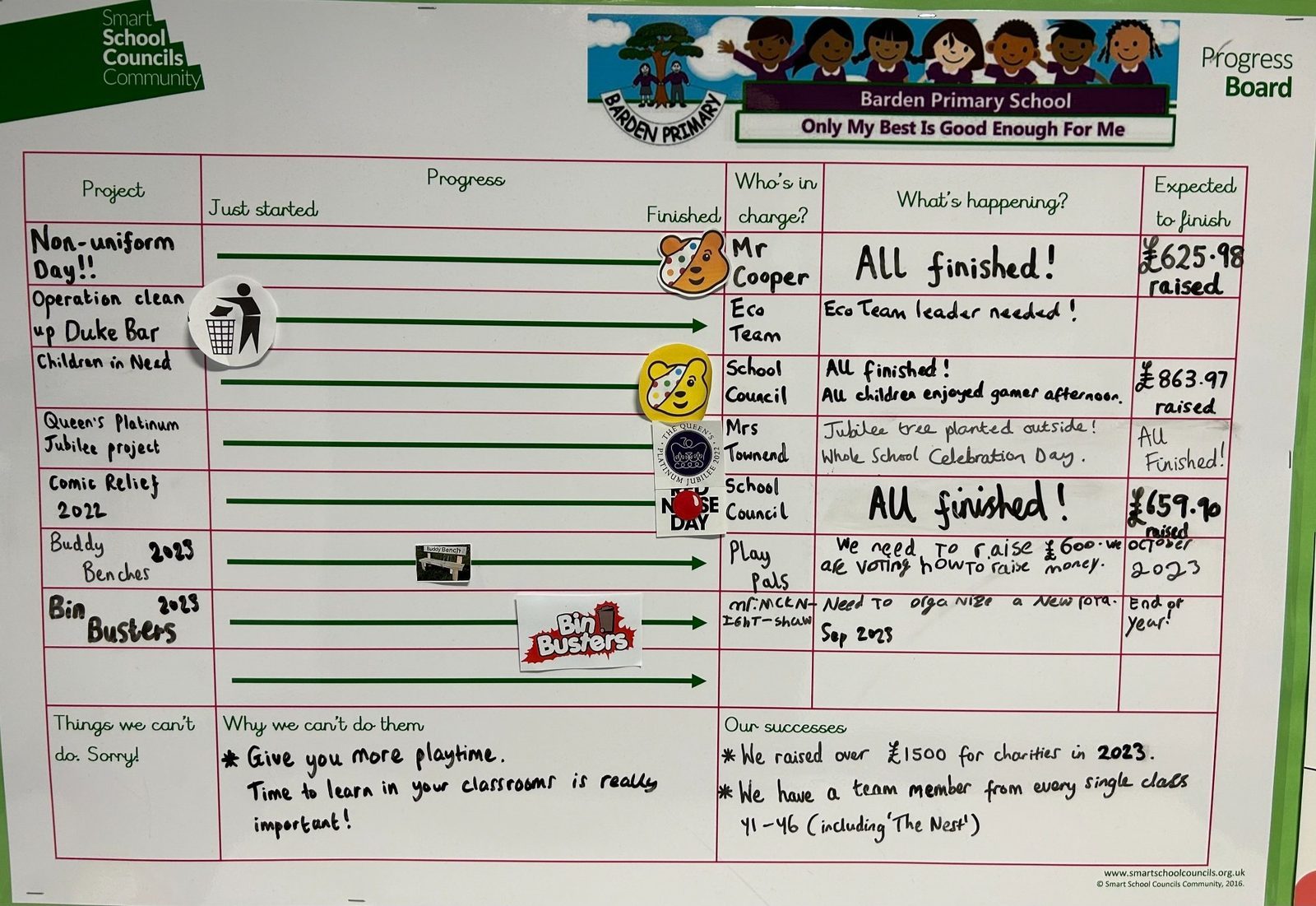
Use your Progress Board or school display to show what’s changed because of pupil ideas. Highlight phrases like “You said, we did” so pupils can connect their discussions to visible results. This reinforces both communication skills and confidence in their collective voice.
Building confident speakers and listeners
When oracy and pupil voice work together, pupils learn how to think critically, speak thoughtfully, and listen with empathy - skills that last well beyond school. And when every class takes part, inclusion becomes the norm, not the exception.