
Big ideas, real impact.
Involving young people in democracy, not just telling them about it
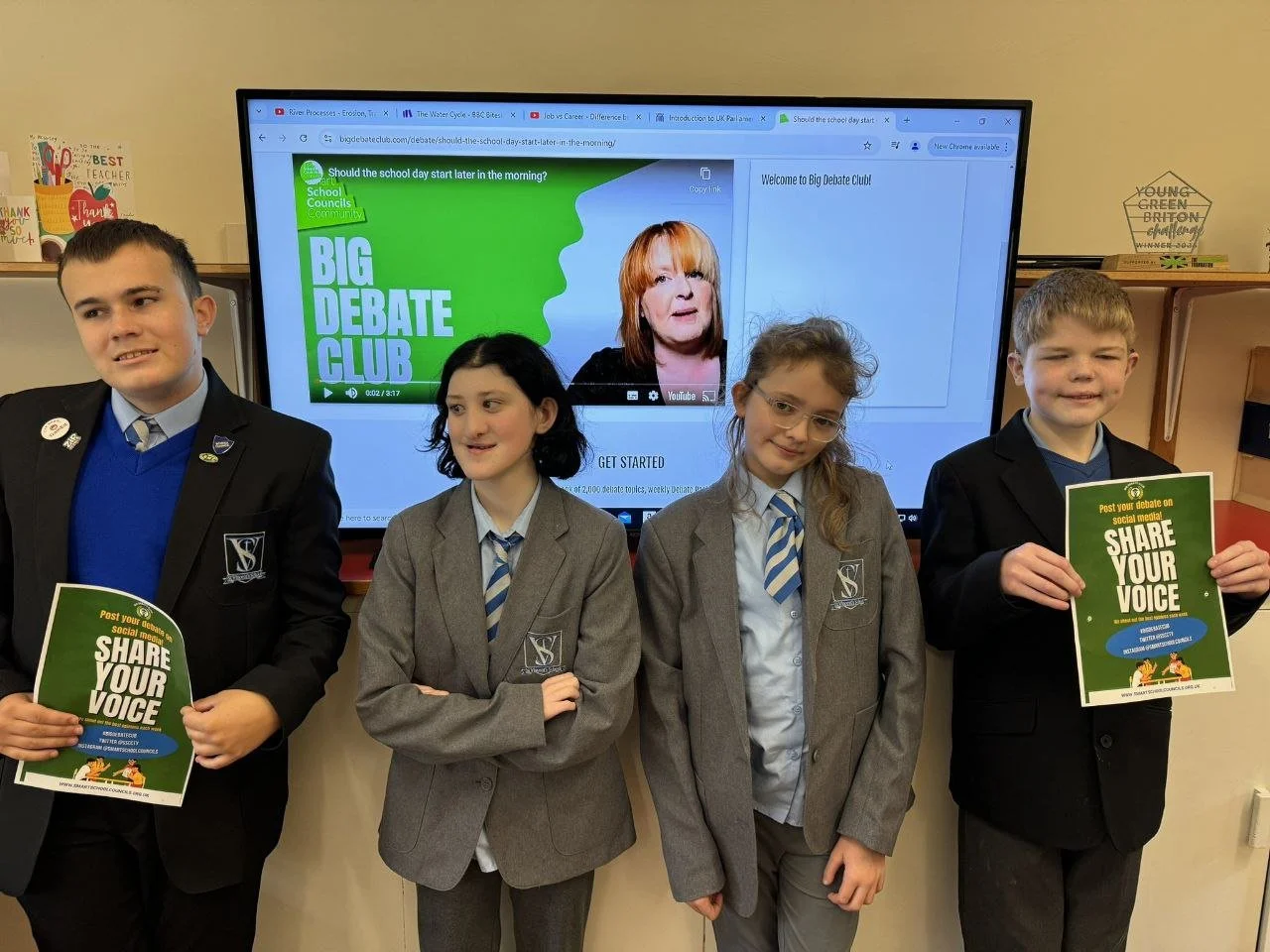
Inclusive democracy with young people with additional needs
What we worked on
How do you support young people with additional needs to understand democracy and feel confident participating in elections?
Our approach
We worked with the Electoral Commission to deliver a series of structured debates with young people aged 14 to 24 in special educational needs settings across England.
Why it worked
Small-group debates, accessible materials, and clear language allowed students to build confidence and understanding at their own pace, supported by trusted school staff.
Impact
Confidence in knowing how to vote increased significantly, with more young people feeling able to understand the process and express their views on electoral accessibility.
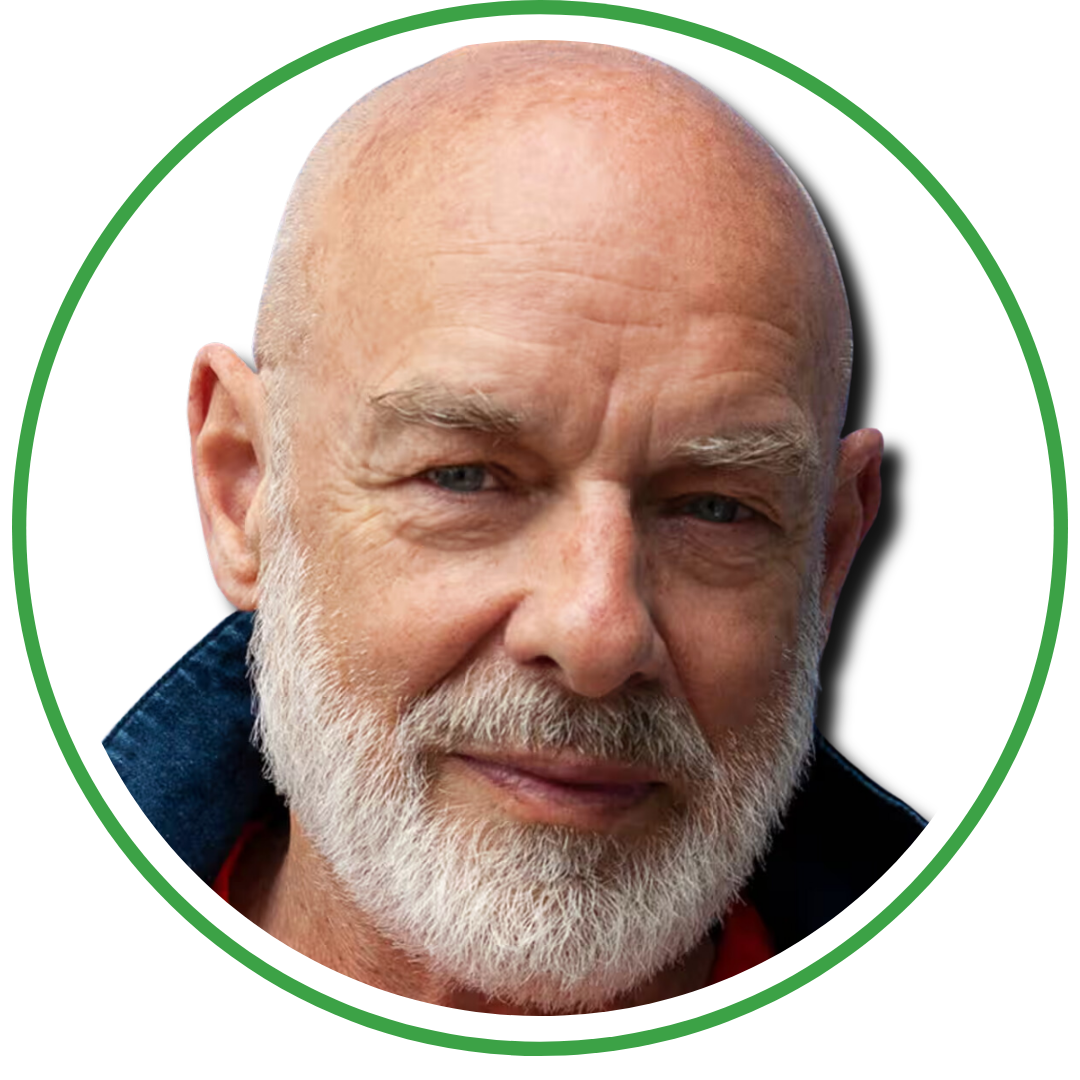
Brian Eno, Musician
’What Smart School Councils are doing is such a powerful demonstration of what is possible anywhere and everywhere when people - even children as young as 4 years old - are given a meaningful opportunity to make their voices heard’
Trust-wide pupil voice with multi-academy trusts

What we worked on
How do you create a consistent, inclusive approach to pupil voice across multiple schools, without adding to staff workload? We’re pleased to be working with Keys Group, Cidari and Diocese of Sheffield Academy Trust to do just that.
Our approach
We partnered with Keys Group, alongside other multi-academy trusts, to support trust-wide implementation of pupil voice using shared tools, training, and reporting.
Why it’s working
A common framework made it easy for schools to embed pupil voice consistently, while centralised reporting supported trust-level insight and oversight.
Impact
Trust leaders gained clearer visibility of pupil engagement across schools, with more pupils involved in meaningful discussion, not just elected representatives.

Sharing results of the previous meeting

Pupils lead, not the teachers

Two pupils running the meeting - the leader and the note-taker

Checking voting results

Discussions in small groups
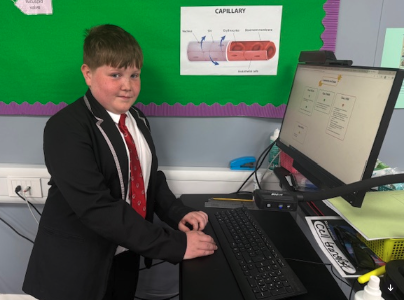
Supporting the meeting on the computer

Students taking a lead

Year 2 pupil taking notes

Nursery children involved in this school

Small group taking part in class meeting

Reception class taking part

Alastair Campbell, Writer and Communications Expert
‘Smart School Councils is great. Anybody who sees it in action can only be inspired’
Inclusive digital debates on the future of the Houses of Parliament

The challenge
How do you hear from young people across the UK, not just a small group of youth representatives in big decisions about the future of the Houses of Parliament?
Our approach
We worked with the Restoration and Renewal Programme involving schools in a series of themed debates, reaching thousands through youth-led discussions in their classes through The Big Debate Club.
Why it worked
Schools were able to slot the debates into their regular Smart School Councils meetings, enabling large-scale participation and more representative insight than traditional youth panels.
Impact
Thousands of pupils engaged across all four UK nations, with views feeding into Parliament’s public engagement work.
“These debates allowed us to reach young people from across the UK that we would not otherwise have been able to reach”
Building nationwide access to debates with UBS

What we’re working on
How to improve oracy, confidence, and participation for children experiencing disadvantage, at scale.
Our approach
With support from UBS, we expanded The Big Debate Club to reach thousands of pupils nationwide, with a focus on disadvantaged, SEN, and PRU settings.
Why it worked
Short, engaging digital debates fitted easily into the school week, while targeted work with student presenters helped build confidence, speaking skills, and engagement among pupils who might otherwise struggle to be heard.
Impact
Thousands of pupils took part in weekly debates, with measurable improvements in speaking skills, confidence, and participation, particularly among disadvantaged learners.