
Pride Month is an opportunity for schools to celebrate inclusion, encourage understanding and create space for thoughtful discussion.
However, many schools want to approach these conversations in a way that feels safe, balanced and meaningful for pupils.
One of the most effective ways to do this is through structured pupil voice.
Creating opportunities for discussion allows pupils to explore different perspectives, reflect on important topics and practise respectful communication in a supportive environment.
Here are three ways schools can use pupil voice to support meaningful Pride Month discussions this June.
1. Use structured discussion questions to explore different perspectives
Discussions work best when pupils are given clear, focused questions that encourage reflection and respectful debate.
This helps move conversations beyond simple answers and encourages pupils to think more deeply about inclusion, belonging and identity.
✨What this can look like in practice:
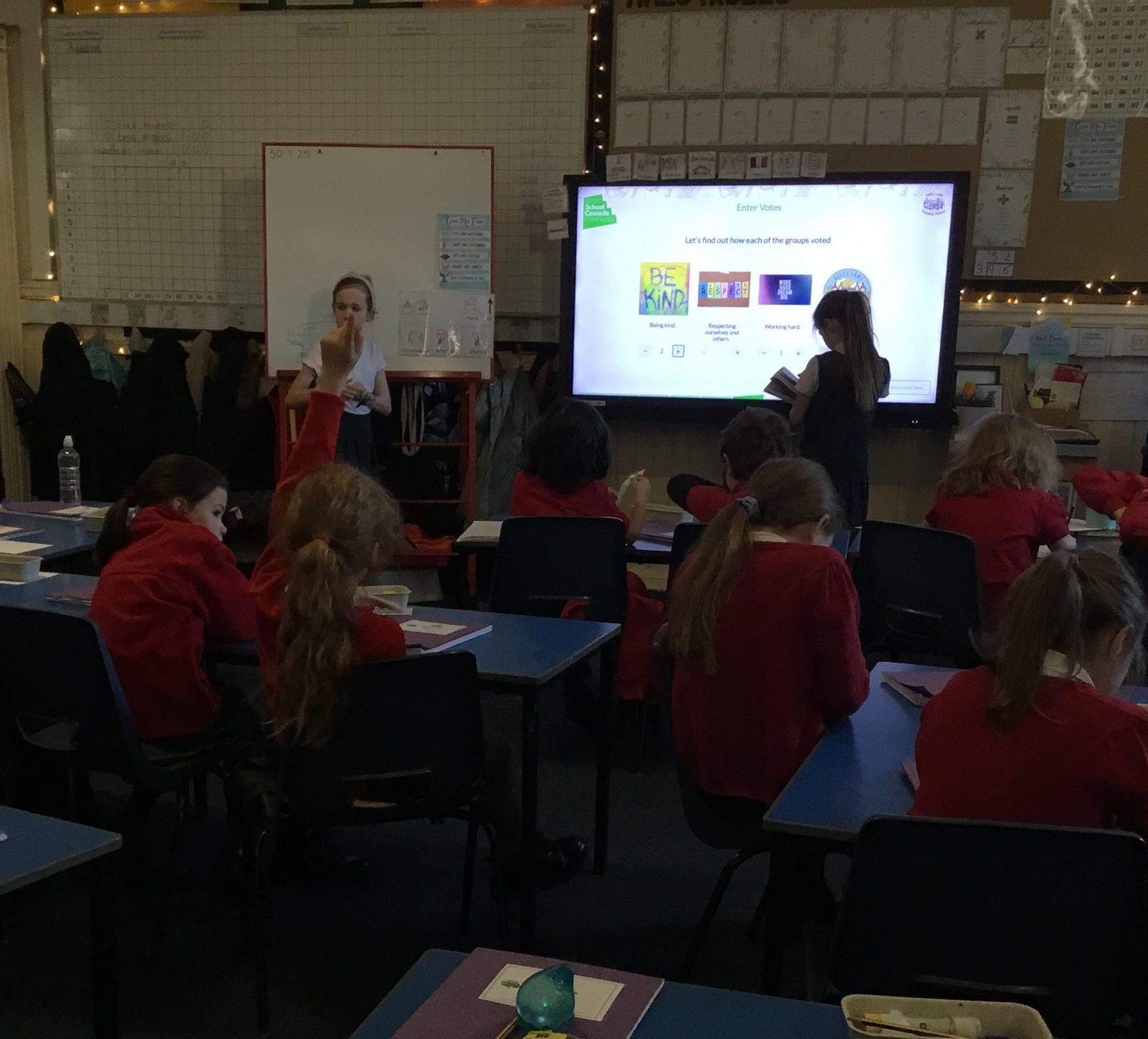
Classes explore a shared discussion question together, with pupils listening to different viewpoints and responding respectfully.
This month, our Big Debate Club is exploring questions such as:
- Should people have to “come out” at all?
- Is the UK truly safe for LGBTQ+ youth?
These discussions help pupils practise:
- listening respectfully
- expressing opinions thoughtfully
- considering different experiences and perspectives
2. Create a safe and supportive discussion environment
For discussions around identity and inclusion to be meaningful, pupils need to feel safe contributing.
Setting clear expectations helps ensure conversations remain respectful and inclusive for everyone.
✨What this can look like in practice:
Before discussions begin, classes agree simple expectations around:
- respectful language
- listening without interrupting
- responding thoughtfully to different opinions
Structured formats, such as paired discussions or small-group talk, can also help quieter pupils feel more comfortable taking part.
3. Link Pride Month discussions to wider school values
Pride Month discussions can support a range of wider school priorities, including:
- inclusion and belonging
- SMSC and British Values
- oracy and communication
- respectful behaviour and relationships
When discussions are linked to everyday school culture, they feel more meaningful and less like one-off activities.
✨What this can look like in practice:
Schools use class discussions to reflect on questions around fairness, safety and belonging, helping pupils connect these themes to their own school community.
Resources such as Big Debate Club can help by providing ready-made discussion topics linked to inclusion, identity, democracy and current issues. This gives schools a simple way to introduce meaningful conversations throughout the year, not just during Pride Month.
This helps reinforce the message that every pupil deserves to feel respected, heard and included.
Making discussions meaningful
Pride Month discussions do not need to feel complicated or difficult.
Simple, structured opportunities for pupil voice can help schools:
- encourage respectful dialogue
- build empathy and understanding
- support communication and oracy skills
- create inclusive spaces where pupils feel heard
Most importantly, they help pupils learn how to engage thoughtfully with important topics and different perspectives.