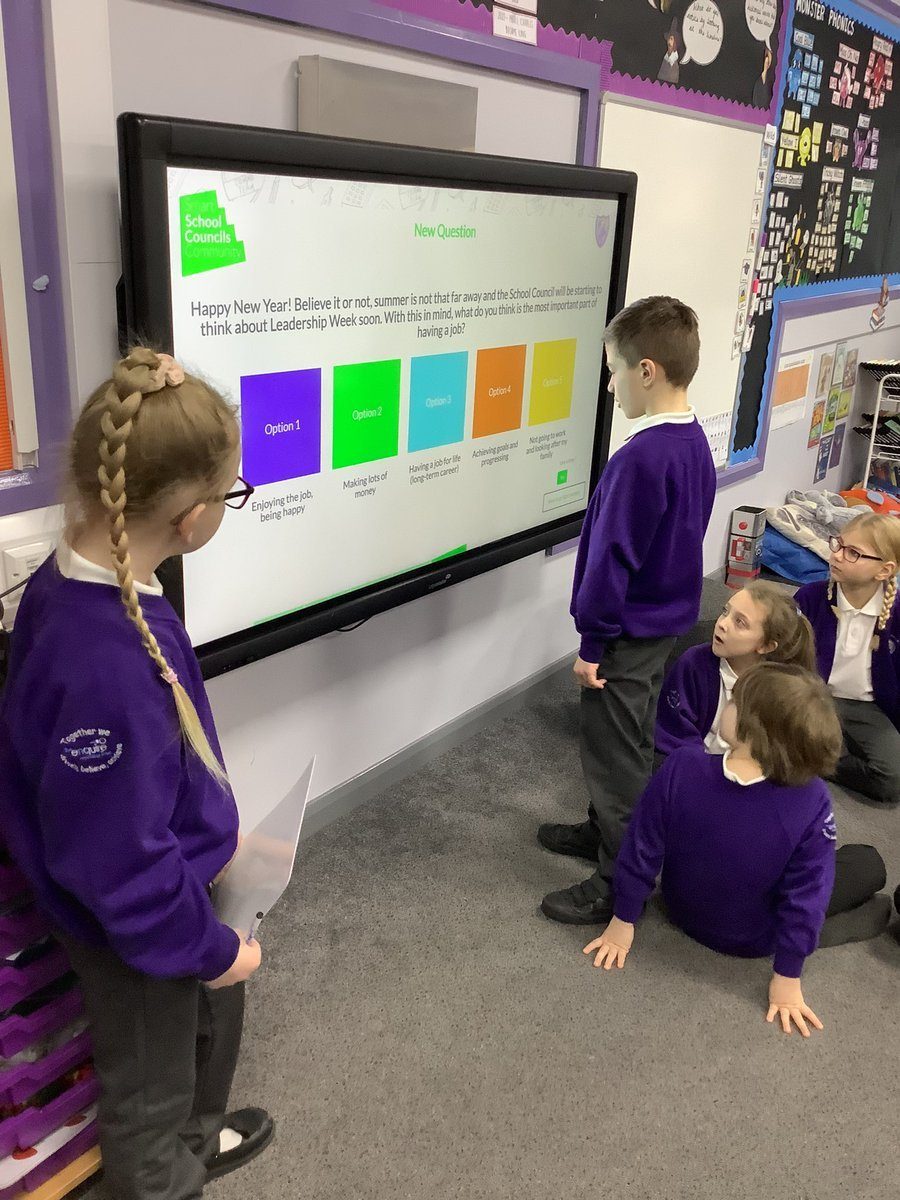
The spring term often brings a mix of renewed energy and familiar pressures. Routines are back in place, expectations are high, and schools are balancing curriculum demands alongside wellbeing and behaviour priorities. In the middle of all this, pupil voice can sometimes lose momentum, not through lack of commitment, but through lack of time.
The good news? Re-energising pupil voice doesn’t require a relaunch or a brand-new initiative. With a few small, intentional steps, schools can rebuild momentum and make pupil voice feel purposeful, manageable, and motivating for both pupils and staff.
Here are three practical ways to do exactly that this spring.
1. Start with a question that feels relevant now
Momentum builds when pupils care about the conversation. After a long winter term, pupils are more likely to engage when discussions connect directly to their everyday school experience.
Rather than beginning with a large, abstract topic, start the term with a question that feels immediate and achievable, such as:
- What would help make our school feel calmer this term?
- What should our class focus on improving this spring?
- How can we support each other better during busy weeks?
These kinds of questions invite reflection, encourage participation from every pupil, and help re-establish the habit of regular discussion.
✨ Why it works:
When pupils see that their ideas are grounded in real school life, they’re more likely to contribute, and more likely to follow through.
2. Rebuild routine before launching new projects
After a break, pupil voice works best when it returns to something familiar. Before introducing new initiatives or action plans, it’s worth re-establishing the rhythm of how pupil voice operates in your school.
That might mean:
- Reconfirming when class meetings happen
- Revisiting simple discussion roles
- Using the same meeting structure pupils already know
A short, low-stakes discussion is often all it takes to remind pupils (and staff) how the process works.
Try this:
Run a 10-minute class meeting focused on reflection: *What’s one thing our school council did well last term?
- What’s one thing we’d like to build on this term?
✨ Why it works:
Consistency builds confidence. When the structure feels familiar, pupils can focus on sharing ideas rather than figuring out the process.
3. Make impact visible early in the term
Nothing builds momentum like seeing ideas turn into action. Early in the spring term, even small outcomes can make a big difference to engagement.
Visible impact might include:
- A simple “You said, we did” update
- A Progress Board showing ideas moving into action
- A short mention in assembly or class time
The key is helping pupils make a clear connection between speaking up and seeing change.
✨ Why it works:
When pupils see that their voice matters, participation becomes purposeful rather than performative, and motivation follows naturally.
Building sustainable momentum
Re-energising pupil voice isn’t about doing more. It’s about doing a few things well, consistently, and with clear purpose. When discussions feel relevant, routines are secure, and impact is visible, pupil voice becomes part of everyday school life, not an extra task.
A strong spring term can set the tone for the rest of the year, helping pupils build confidence, ownership, and a genuine sense of belonging.