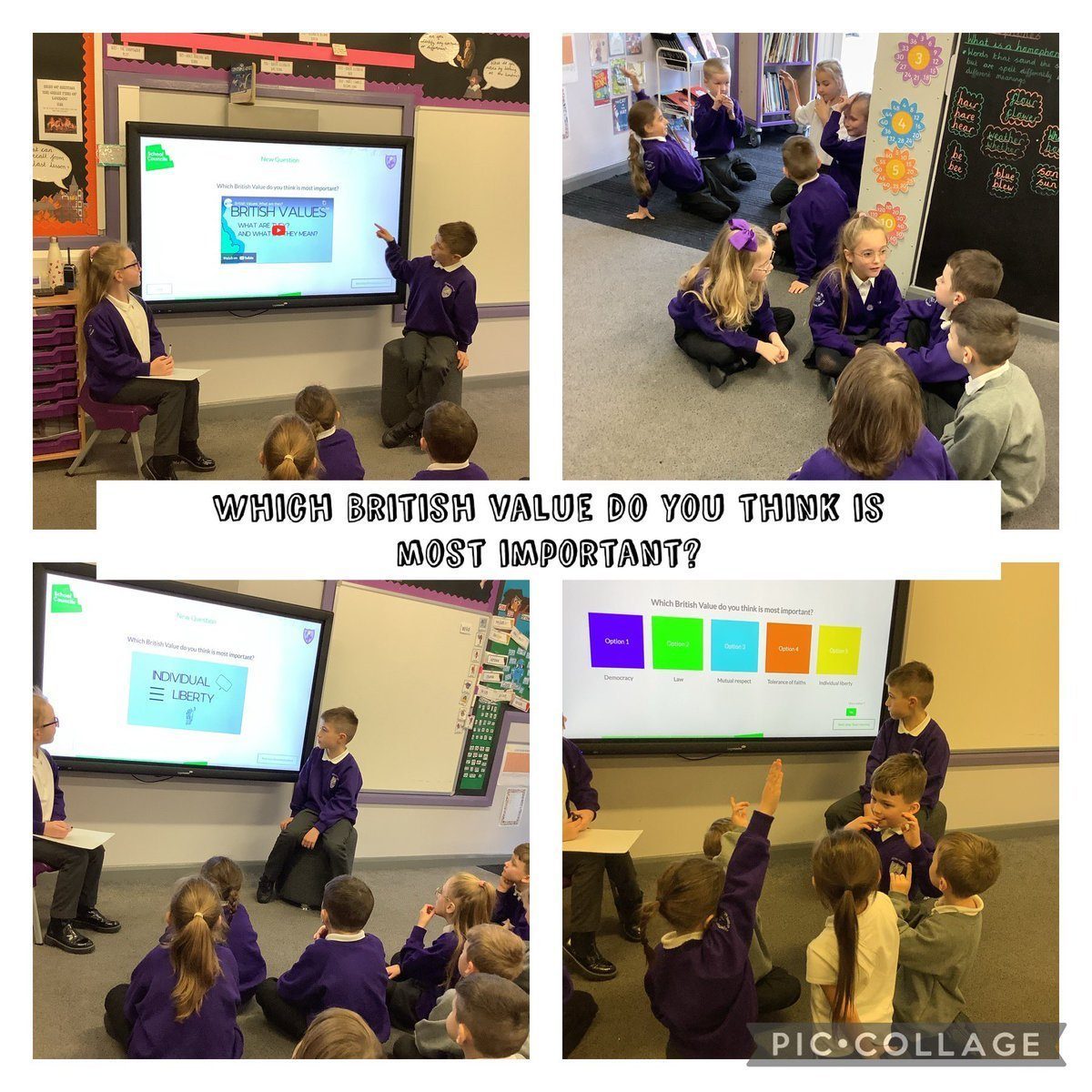
As changes to the UK National Curriculum come into sharper focus, schools are seeing a renewed emphasis on oracy as essential life skills. Alongside literacy and numeracy, communication is increasingly recognised as central to learning, inclusion and future readiness.
For schools, this raises an important question: *“How do we turn this national focus on oracy into something practical, inclusive and meaningful for every pupil?” *
The answer lies in pupil voice, and in ensuring it is structured, consistent and embedded across school life.
1. Oracy Builds the Foundations for Pupil Voice
The updated curriculum places greater value on pupils being able to articulate ideas, explain their thinking and listen to others across all subjects.
Pupil voice depends on these skills. Without them, participation is often limited to the most confident students.
📌 How we help:
Through weekly discussion questions and debate prompts, pupils practise:
- expressing opinions clearly
- explaining reasoning
- listening respectfully
- responding thoughtfully
Because these opportunities are regular, oracy develops naturally over time, not as a one-off activity.
2. Turning Talk into Everyday Classroom Practice
The national curriculum encourages learning environments where talk supports understanding, reasoning and reflection, not just written outcomes.
📌 How we help:
Our resources are designed to fit easily into:
- class meetings
- tutor time
- PSHE and citizenship
- British Values and SMSC
- assemblies and enrichment
This allows schools to strengthen oracy and pupil voice without creating extra workload or rewriting existing plans.
3. Making Oracy Inclusive for Every Learner
Inclusion is a central theme of the curriculum changes. All pupils, regardless of confidence, ability or background, should be able to participate.
📌 How we help:
Our approach supports inclusive participation by:
- encouraging paired and small-group discussion
- offering written and digital ways to share views
- providing age-appropriate, scaffolded questions
This ensures quieter pupils, SEND learners and those who lack confidence are just as involved as their peers.
4. Moving Beyond Tokenistic Pupil Voice
Many schools want pupil voice to be meaningful, but struggle with approaches that rely on a small group of representatives.
📌 How we help:
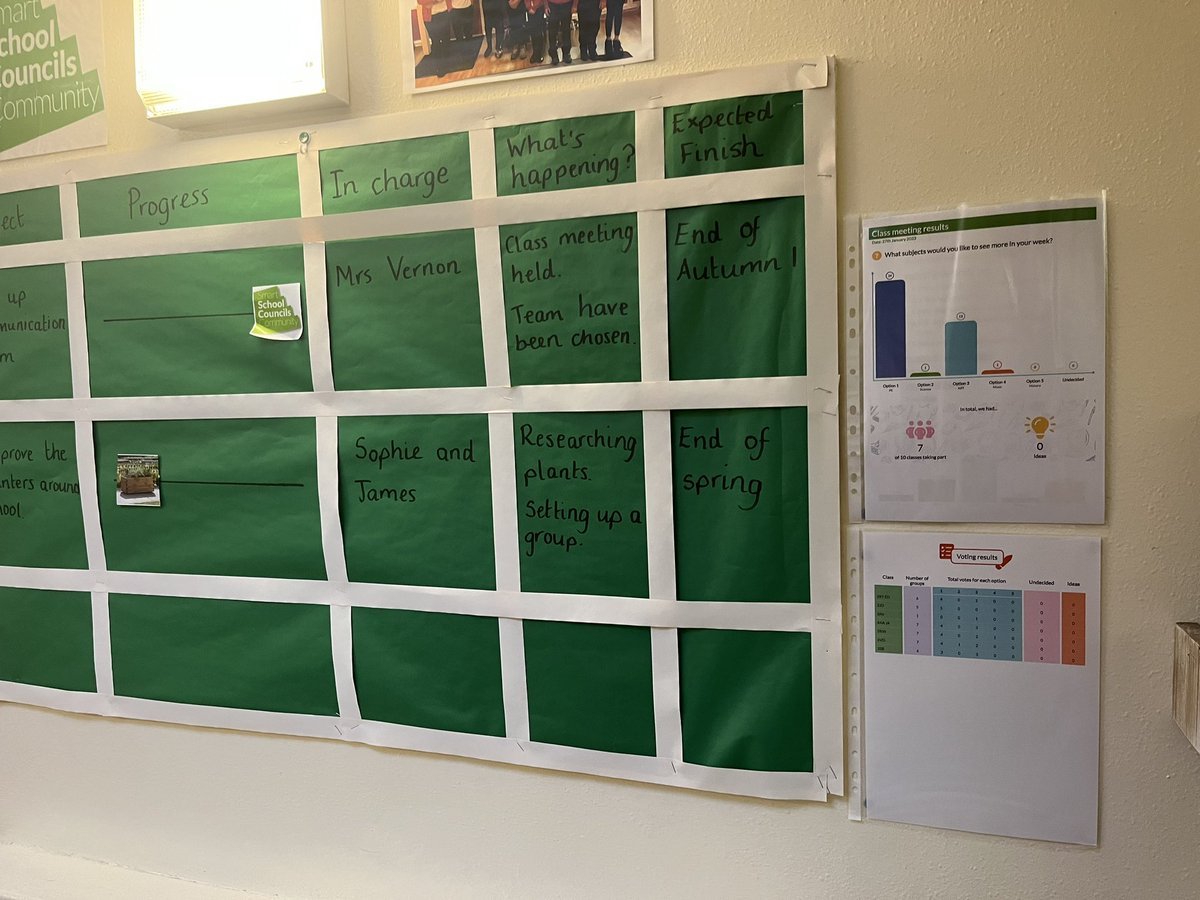
Every class takes part, giving schools a clear picture of what pupils across the school actually think.
This supports schools to:
- identify common themes
- hear from underrepresented groups
- demonstrate fairness and inclusion
- show pupils that their views lead to discussion and action
Pupil voice becomes a routine part of school life, not a once-a-term meeting.
5. Supporting Evidence and Inspection Readiness
With increased focus on personal development, inclusion and participation, schools need clear ways to demonstrate impact.
📌 How we help:
Our platform provides:
- consistent participation records
- clear discussion themes
- examples of pupil voice in action
This supports leaders in evidencing how oracy, democracy and engagement are embedded, in line with Ofsted expectations and curriculum intent.
6. Preparing Pupils for Life Beyond School
The revised curriculum aims to prepare young people for life as confident communicators and active citizens.
Through regular class meetings and debate, pupils develop:
- confidence in their own voice
- respect for different viewpoints
- critical thinking skills collaborative problem-solving
These skills grow through repetition and routine, giving pupils the confidence to participate both in school and beyond.
In Summary
The renewed national focus on oracy reinforces an important message:
Pupil voice works best when it is structured, inclusive and sustained.
By embedding regular class meetings across the school, leaders can:
- support curriculum priorities
- strengthen personal development
- improve inclusion
- build confident communicators
Smart School Councils helps schools bring oracy and pupil voice together simply, sustainably and with real impact.
As schools prepare for the 2027 national curriculum changes, now is the ideal time to ensure pupil voice is more than a tick-box, and becomes a meaningful part of everyday school life.