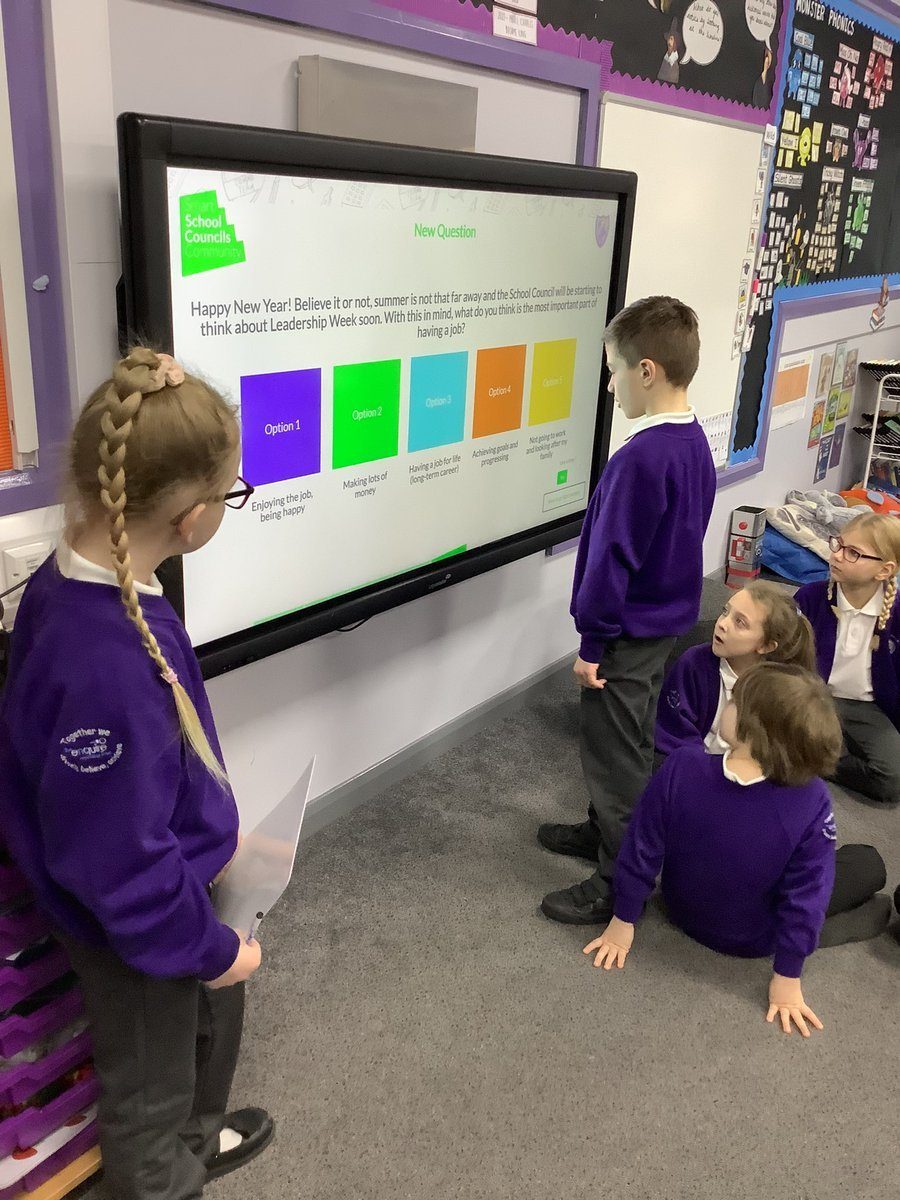
Pupil voice is at the heart of truly democratic school cultures - but too often, it’s the confident few whose voices are heard most clearly. While some pupils naturally speak up, others may stay quiet, not because they don’t have ideas, but because they haven’t had the chance or the right support to share them.
Every child deserves to have a voice, not just in formal council meetings, but in everyday school life. When we broaden how we listen, we build stronger, more inclusive communities where pupils feel respected, valued and confident to contribute.
Here are three simple ways your school can shift from the confident few to every pupil having a meaningful voice.
1. Let pupils contribute in ways that suit them
Not all pupils feel confident talking in front of a whole class, and inclusion means offering multiple ways to take part.
📝 Action: Invite pupils to share ideas through a variety of formats. For example:
- paired or small-group discussion before whole-class sharing
- written responses or idea cards
- digital tools or suggestion boxes
- drawing or mind-mapping responses
Giving pupils choices helps reduce pressure, increases participation and allows them to express ideas in ways they feel comfortable with. Over time, this builds confidence in spoken contributions too.
2. Go beyond the traditional council model
School councils are valuable, but when they rely only on elected representatives, many voices can go unheard, especially those of quieter pupils and those less confident in leadership roles.
📝 **Action: **Use short classroom discussions, such as class or cohort meetings, to gather views from every pupil. These discussions can then feed into council conversations, ensuring that council representatives are sharing themes and ideas from their peers, not just their own perspectives.
This widens participation and ensures the pupil voice truly reflects the whole school community.
3. Make pupil voice predictable and purposeful
Pupils are far more likely to participate when they understand:
- when they’ll get to speak
- how their views will be used
- what happens next
This means embedding pupil voice into regular routines so it becomes expected and familiar, not occasional or ad hoc.
📝 Action: Set aside a consistent time each week or fortnight for pupil voice activities - such as class discussions, meetings or check-ins. Use simple shared language like:
- “What matters to you this week?”
- “What would you change about this space?”
- “How could we make this better for everyone?”
Then show pupils that their contributions lead to real outcomes, even small changes or conversations with staff. When pupils see their ideas shape action, participation grows and becomes more inclusive.
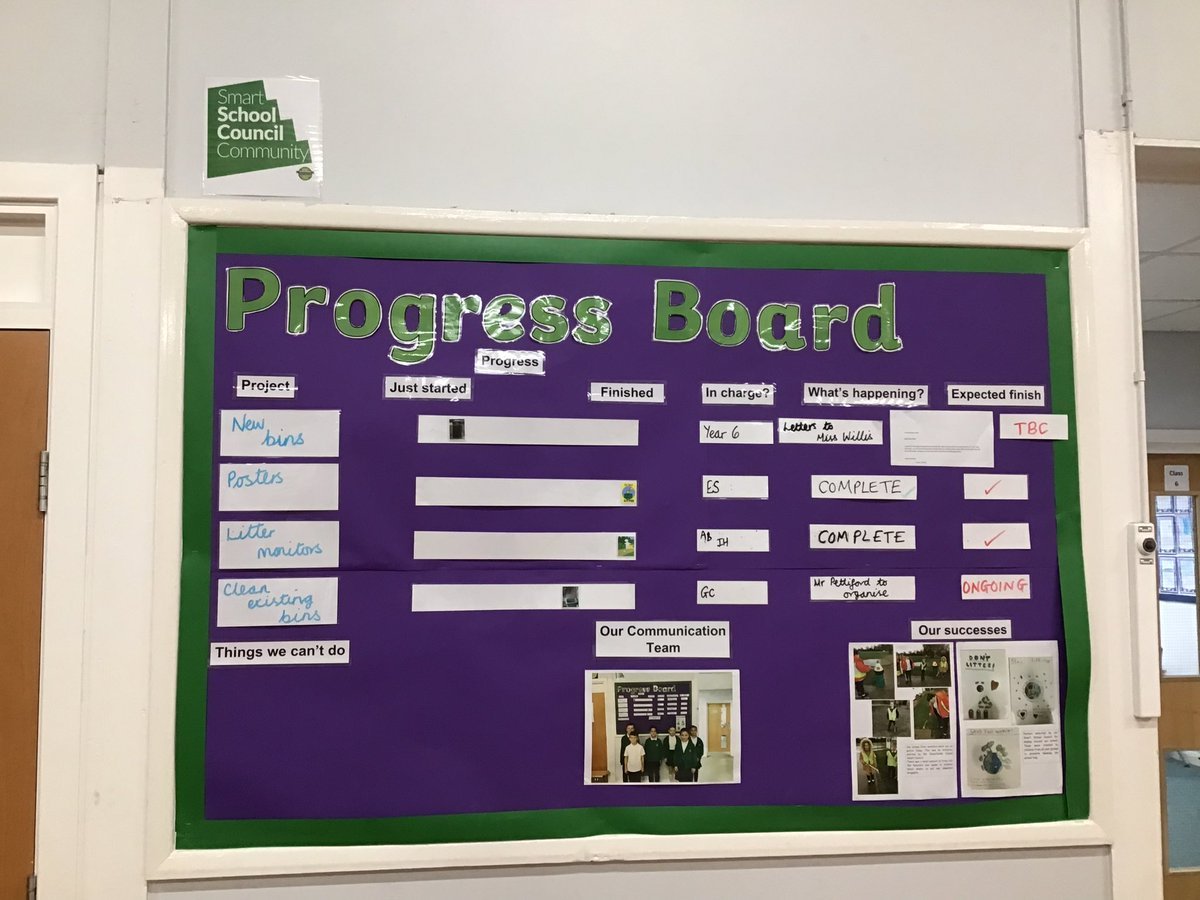
Building inclusive voice across the school
Inclusive pupil voice doesn’t have to be complicated. Simple, regular practices can help schools hear from a wider range of pupils, build communication skills across the whole school, encourage respectful listening and dialogue, and strengthen confidence for all learners.
These approaches also support key areas such as SMSC, British Values and citizenship education, helping schools meet wider priorities while ensuring pupil voice is genuine and meaningful.
Many schools choose to use tools and structures designed around inclusive pupil voice to support this work, helping regular, well-structured discussion become part of the school rhythm - without adding to staff workload.