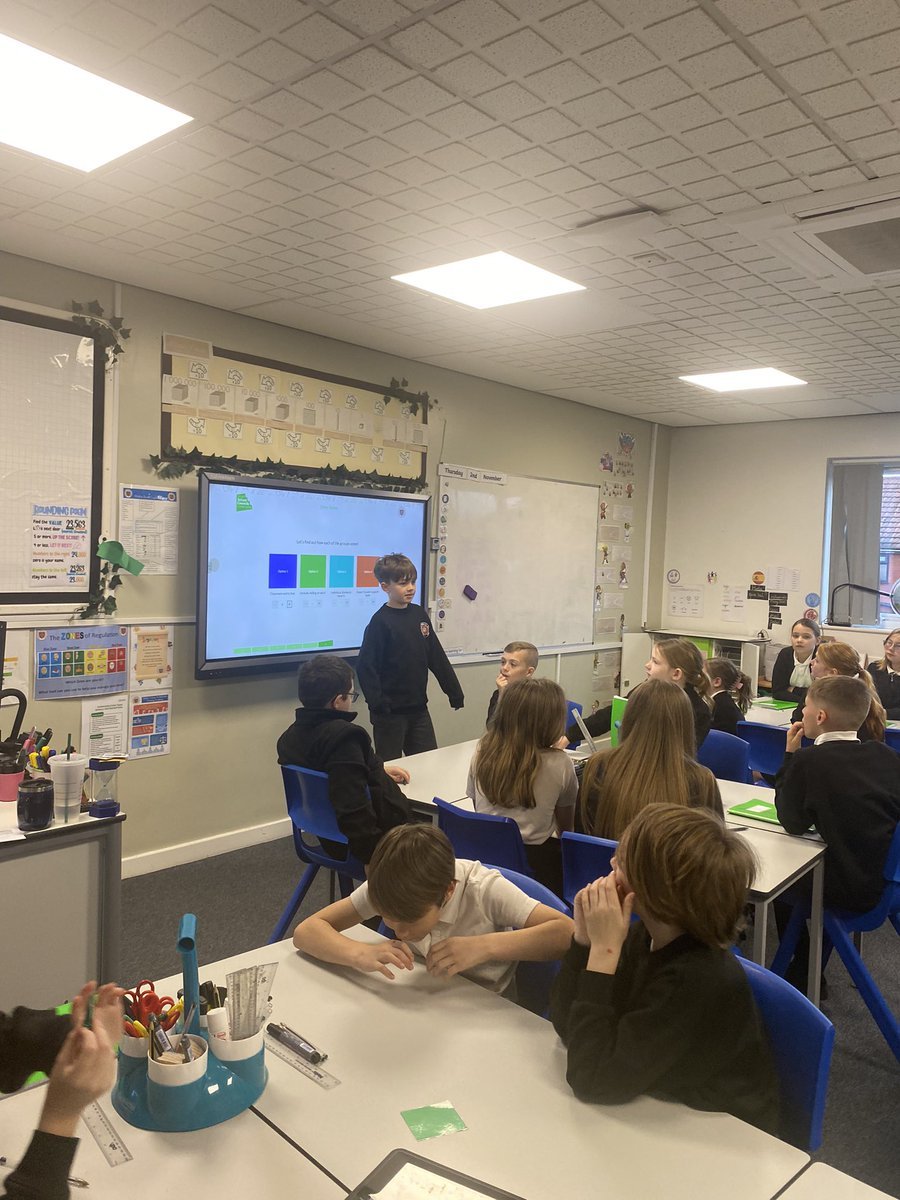
With the renewed national focus on oracy within the UK curriculum, schools are increasingly being encouraged to prioritise speaking and listening alongside reading and writing. Strong communication skills are now recognised as essential for learning, wellbeing and life beyond the classroom.
But for many schools, the challenge isn’t understanding why oracy matters, it’s knowing how to embed it meaningfully into everyday practice without adding pressure to already busy timetables.
One of the most effective ways to do this is through pupil voice.
When pupil voice is structured, inclusive and consistent, it creates natural opportunities for purposeful talk, discussion and debate - allowing oracy to develop as part of daily school life rather than as an add-on.
Below are three practical ways schools can bring oracy into everyday practice through pupil voice.
1. Create regular, low-pressure opportunities for talk
Oracy thrives on consistency. Pupils develop confidence and fluency not through occasional speaking tasks, but through frequent opportunities to talk in safe, supportive environments.
Rather than waiting for formal presentations or assemblies, schools can build oracy through short, structured discussions that happen regularly.
This might include:
- weekly class discussions
- short opinion-sharing activities
- debate-style questions linked to current themes
- reflection prompts during class meetings
These low-pressure opportunities help pupils practise:
- explaining their thinking
- listening to others
- responding respectfully
- building confidence over time
An easy way to start: introduce one shared discussion question each week across the school. When pupils know discussion is a regular routine, confidence grows naturally and oracy becomes part of the weekly rhythm rather than a one-off activity.
2. Use pupil voice to make talk inclusive for every learner
One of the most important messages emerging from curriculum guidance is that oracy must be inclusive. Spoken language development should not favour only the most confident speakers.
Effective pupil voice creates space for all pupils to participate - including quieter children, SEND learners and those who lack confidence speaking in front of large groups.
Schools can support inclusive oracy by:
- using paired or small-group discussion
- allowing pupils time to rehearse ideas
- offering written or digital ways to contribute
- using clear discussion structures and prompts
This ensures pupils are developing communication skills in ways that feel manageable and supportive.
**In the classroom: **offer pupils different ways to contribute - through paired talk, small-group discussion, written responses or digital tools. This helps ensure quieter pupils and those with additional needs feel confident taking part.
3. Link oracy to real purpose and impact
One of the most powerful ways to develop oracy is to give talks real meaning.
Pupils engage more deeply when they understand that discussions are not hypothetical, but connected to genuine school issues, decisions or improvements.
This might include:
- discussing wellbeing or behaviour themes
- sharing ideas about learning environments
- debating school priorities
- reflecting on what helps pupils feel safe and included
When pupils see that their views lead to action, talk becomes purposeful, and oracy skills strengthen rapidly.
**What this can look like: **gather ideas across classes, identify shared themes and feed back to pupils on what has been heard. When pupils see that discussion leads to action, talk feels purposeful and engagement increases.
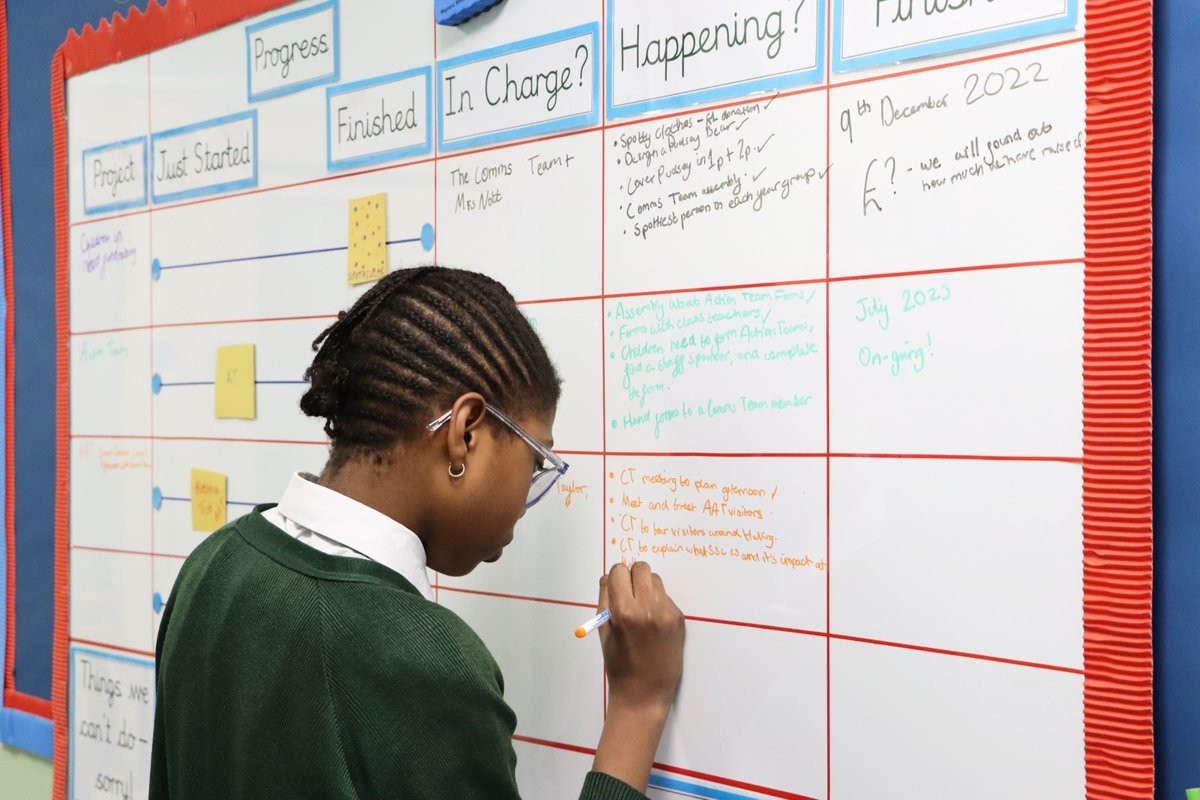
Making oracy manageable for staff
One of the biggest concerns schools raise is workload. Oracy should not feel like another initiative to plan, resource or monitor.
Embedding oracy through pupil voice works because it:
- fits naturally into existing routines
- complements areas such as PSHE, citizenship and tutor time
- requires minimal preparation
- builds skills gradually over time
Short, regular discussions are often more effective than longer activities, and far easier to sustain across the school year.
By keeping oracy simple, consistent and purposeful, schools can strengthen communication skills without adding pressure to staff workloads.
Many schools choose to use tools like Smart School Councils to support this approach, helping embed regular discussion while keeping workload manageable.