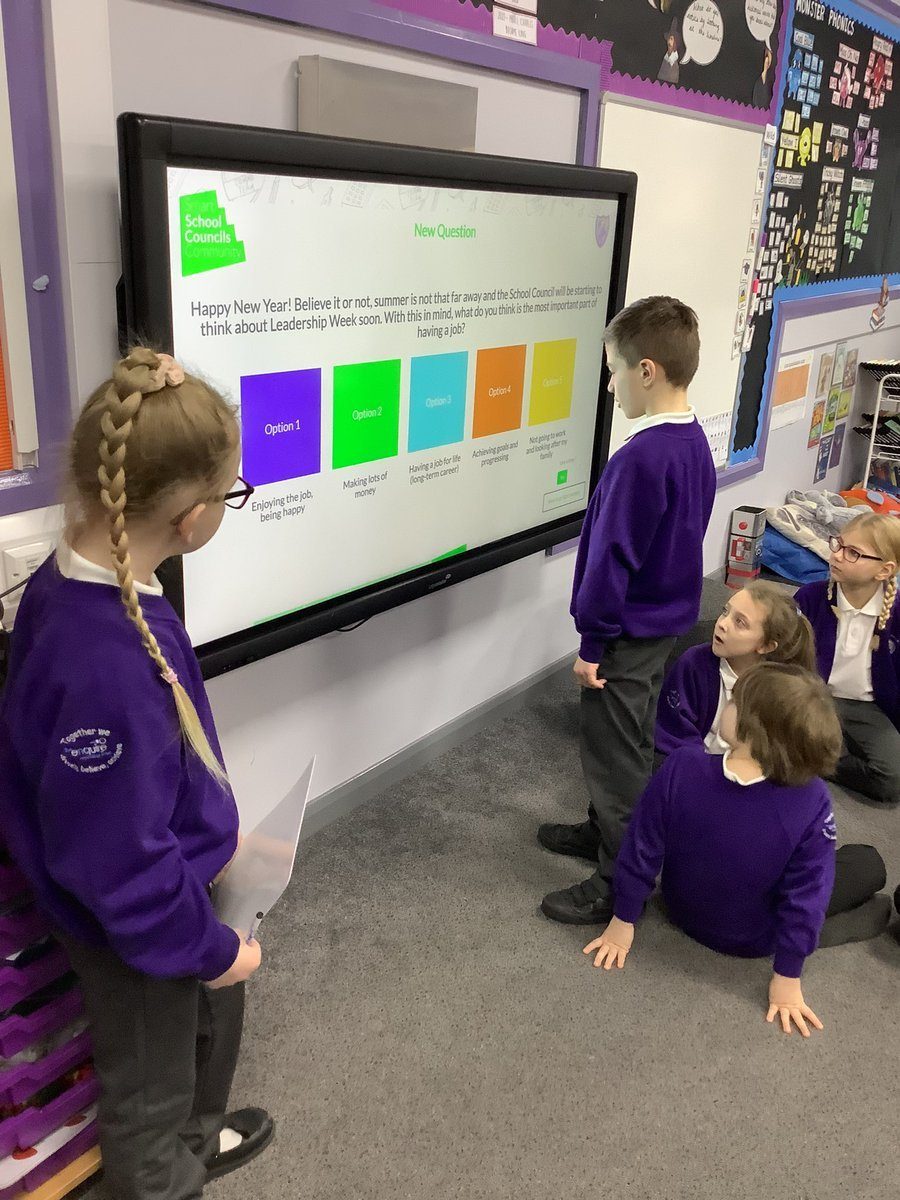
Leadership is often associated with a small group of confident pupils - those who volunteer answers, take on visible roles, or naturally speak up.
But in a truly inclusive school, leadership should be something every pupil has the opportunity to develop.
School councils, when structured effectively, provide a powerful way to build leadership skills across the whole school, not just for a select few.
Here are five practical ways school councils can support leadership development for every pupil.
1. Creating regular opportunities to contribute
Leadership begins with having a voice.
When pupils are given regular opportunities to share their ideas, opinions and experiences, they begin to develop confidence in expressing themselves and contributing to group discussions.
📝 Action:
Introduce short, weekly class discussions where every pupil has the chance to contribute to a shared question.
This helps pupils practise:
- speaking clearly
- listening to others
- building confidence over time
2. Developing communication and listening skills
Strong leaders are not just confident speakers, they are also effective listeners.
Through structured school council discussions, pupils learn how to:
- listen actively
- respond thoughtfully
- build on others’ ideas
- express disagreement respectfully
These are essential communication skills that support both leadership and learning.
📝 Action:
Use clear discussion structures, such as turn-taking or sentence starters, to support meaningful dialogue.
3. Giving pupils meaningful responsibility
Leadership grows when pupils feel a sense of ownership.
School councils can provide opportunities for pupils to take on roles such as:
- chairing discussions
- summarising key points
- feeding back ideas
- supporting decision-making
📝 Action:
Rotate simple leadership roles within class discussions so that all pupils experience leading in a safe and supportive way.
4. Connecting pupil voice to real outcomes
One of the most powerful ways to develop leadership is to show pupils that their ideas lead to change.
When pupils see that their contributions influence decisions, they begin to understand the impact of their voice.
📝 Action:
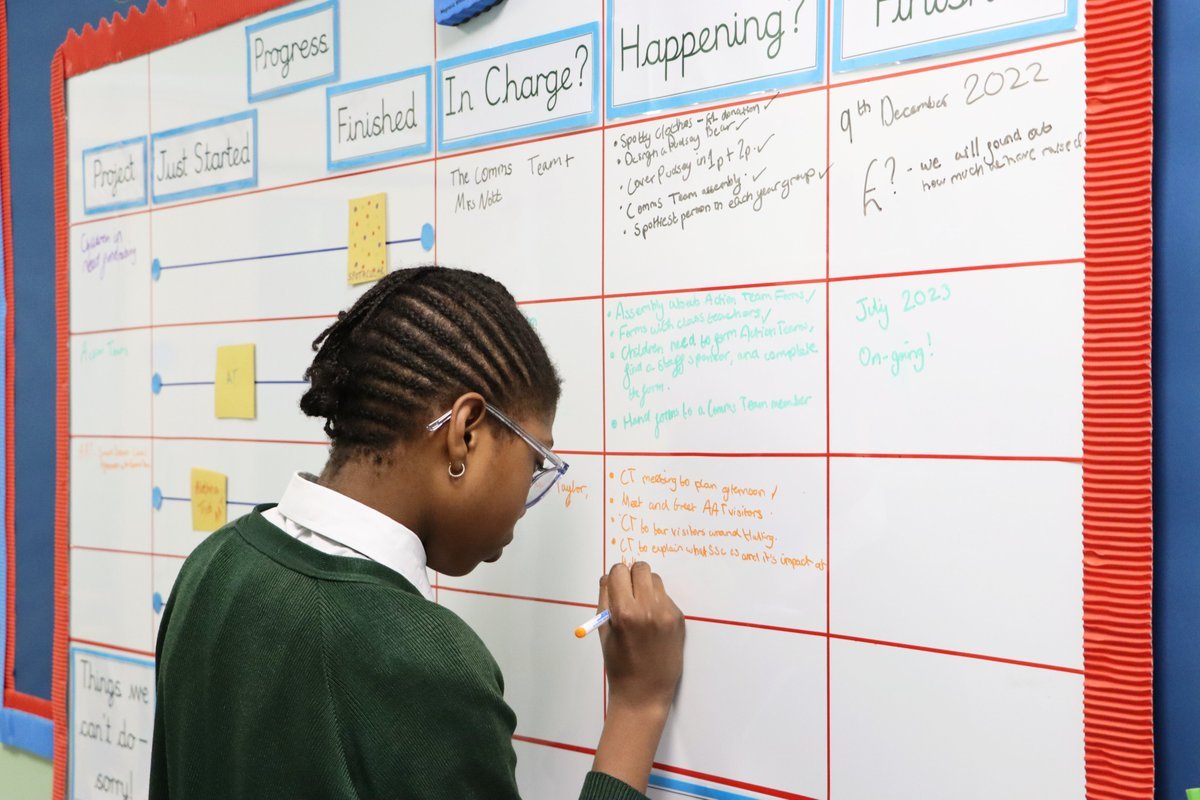
Share outcomes regularly using “You said, we did” updates so pupils can see how their ideas have shaped school life. Check out our Progress Board here and schools sharing theirs to see some examples.
5. Building confidence for every learner
Not all pupils will feel confident speaking in front of large groups, and that’s okay.
Inclusive school councils ensure that leadership is accessible by providing different ways for pupils to participate, including:
- paired discussions
- small group work
- written contributions
- digital responses
📝 Action:
Offer multiple ways for pupils to share their ideas so that quieter pupils and those with additional needs can take part confidently.
Building leadership through pupil voice
Leadership is not about a title - it’s about developing the confidence, skills and mindset to contribute, collaborate and make a difference.
When school councils are inclusive, structured and consistent, they help ensure that every pupil has the opportunity to lead, not just a small group.
By embedding pupil voice into everyday school life, schools can:
- build confidence across all learners
- strengthen communication and collaboration
- support personal development and SMSC
- prepare pupils for life beyond the classroom
Making leadership accessible to every pupil doesn’t require a complete overhaul - just consistent opportunities to speak, listen and take part.
Tools and approaches that support structured pupil voice can help schools embed these opportunities in a way that is simple, sustainable and manageable for staff.