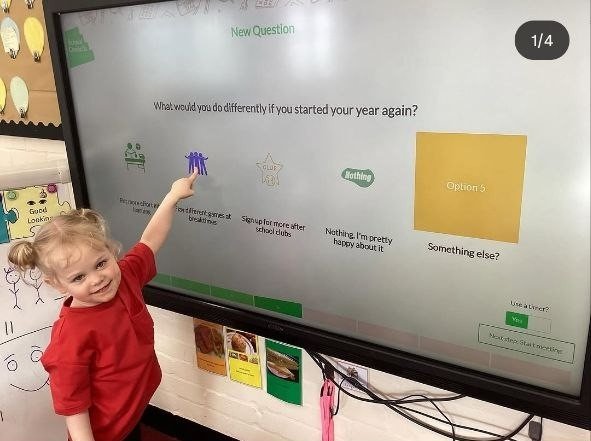
Confidence does not develop overnight. It grows through regular opportunities to speak, listen and take part.
For many pupils, especially those who are quieter or less confident, these opportunities need to be structured, consistent and low-pressure.
That is where pupil voice can make a real difference.
When built into simple routines, pupil voice helps every pupil practise communication, develop confidence and feel that their voice matters.
Here are four routines schools are using to build confidence through pupil voice.
1. Start the week with a shared discussion question
Confidence grows with consistency. When pupils know they will be asked to share their thoughts regularly, speaking becomes part of the routine rather than something to worry about.
Many schools introduce a weekly question that is discussed across every class.
These might include:
- What helps you feel confident in school?
- What makes a good leader?
- How can we make our classroom more inclusive?
What this can look like in practice:
Pupils discuss the question in small groups or as a class, with everyone given the chance to contribute.
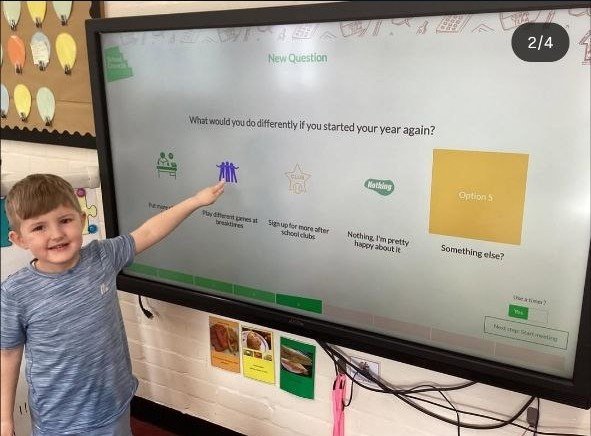
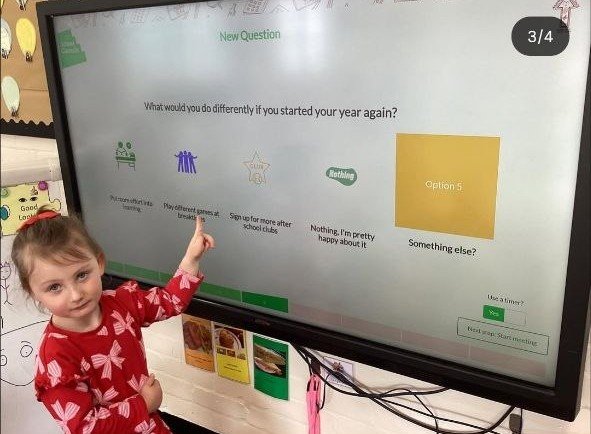
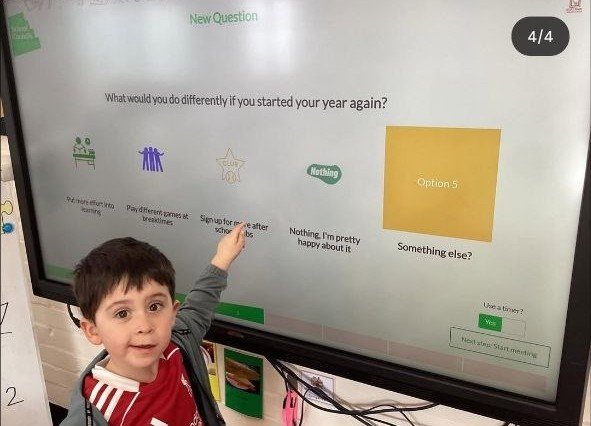
Over time, pupils become more comfortable sharing ideas, knowing that their voice is expected and valued.
2. Use small group talk to build confidence gradually
Not all pupils feel confident speaking in front of a whole class, and they should not be expected to straight away.
Small group discussions provide a safer starting point.
What this can look like in practice:
Pupils first discuss ideas in pairs or small groups before sharing back to the class. This gives them time to:
- organise their thoughts
- rehearse what they want to say
- build confidence before speaking publicly
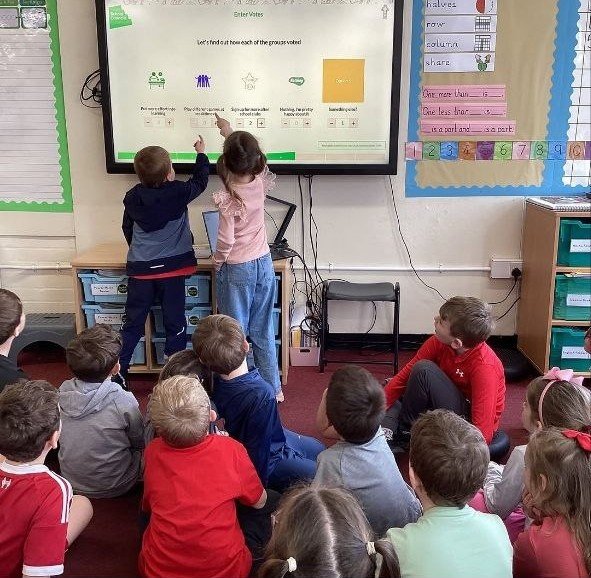
Students at Roby Park Primary School during one of their class meetings
This simple routine helps ensure that every pupil has a voice, not just the most confident.
3. Give pupils simple roles in discussions
Confidence often grows when pupils feel a sense of responsibility.
In many schools, pupils take on small roles during discussions, such as:
- leading the conversation
- inviting others to speak
- summarising key ideas
What this can look like in practice:
A pupil might act as chair, asking questions like, “Who would like to share next?” or “Does anyone have a different idea?”
Rotating these roles means every pupil has the opportunity to lead in a supportive environment.
4. Show pupils that their voice leads to action
One of the most powerful ways to build confidence is to show pupils that what they say matters.
When pupils see their ideas leading to change, they are more likely to speak up again.
What this can look like in practice:
Schools gather ideas from discussions and share outcomes back with pupils, such as changes to routines, new initiatives or improvements suggested by pupils.
This helps pupils understand that their voice has impact, not just within the classroom, but across the school.
Making confidence part of everyday school life
Building confidence does not require complex programmes or additional workload.
Simple, consistent routines like these help pupils:
- develop communication skills
- feel comfortable sharing ideas
- take part in discussions
- build confidence over time
Most importantly, they ensure that confidence is not limited to a few pupils, but developed across the whole school.
When pupil voice is structured and consistent, confidence becomes something every pupil can build.