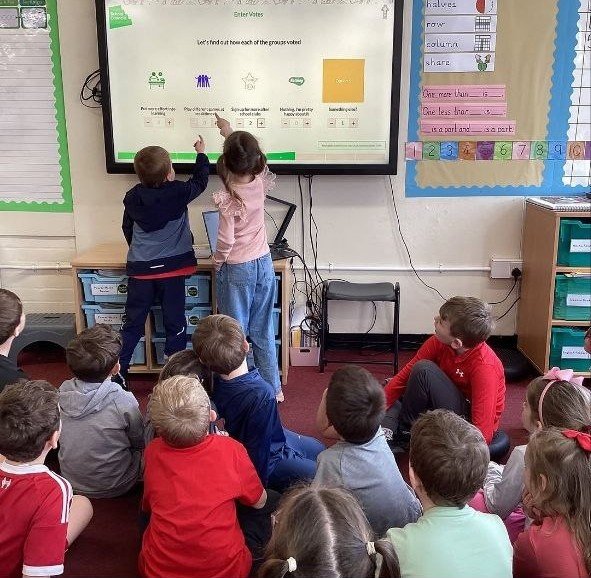
School improvement is most effective when it reflects the lived experience of pupils.
Schools invest significant time in planning, reviewing and refining their priorities. However, one of the most valuable sources of insight is often underused: pupil voice.
When structured effectively, pupil voice does more than gather opinions. It becomes a practical tool that supports decision-making, strengthens implementation and builds a shared sense of ownership across the school.
Here are three ways pupil voice supports meaningful school improvement.
1. Providing real insight into everyday school experience
School improvement plans are strongest when they are informed by what pupils experience day to day.
Structured pupil voice helps schools understand:
- how policies are experienced in practice
- where barriers to learning may exist
- what is working well across different groups of pupils
For example, discussions might explore:
- how safe pupils feel in different areas of the school
- how behaviour systems are understood
- how inclusive the classroom environment feels
By gathering regular input from pupils across all classes, schools can build a clearer, more accurate picture of their provision.
This ensures that improvement priorities are grounded in real experiences, not assumptions.
2. Strengthening implementation through shared ownership
Even the strongest plans rely on effective implementation.
When pupils are involved in discussing and shaping priorities, they are more likely to understand and support changes within the school.
This might include:
- discussing new initiatives before they are introduced
- gathering pupil feedback during implementation
- involving pupils in reviewing how changes are working
When pupils feel part of the process, they become active participants rather than passive recipients.
This shared ownership can lead to:
- stronger engagement with school initiatives
- improved behaviour and attitudes
- greater consistency across the school
Pupil voice helps ensure that change is not something done to pupils, but something developed with them.
3. Supporting key inspection and development areas
Pupil voice plays an important role in several areas schools are expected to evidence, including:
- behaviour and attitudes
- personal development
- SMSC and British Values
- inclusion and equality
Regular, structured discussion provides opportunities for pupils to:
- express their views clearly
- listen to others and respond respectfully
- explore different perspectives
- engage with themes such as fairness, responsibility and community
These are not one-off activities, but skills developed over time through consistent practice.
By embedding pupil voice into everyday routines, schools can demonstrate that these areas are not simply taught, but lived across the school community.
Making pupil voice part of school improvement
Pupil voice is most effective when it is:
- regular and structured
- inclusive of all pupils
- clearly linked to decision-making
Short, consistent discussions across classes can provide a steady flow of insight, helping schools monitor progress, identify areas for development and respond effectively.
This approach also ensures that pupil voice leads to action, strengthening both the quality and impact of school improvement work.
In summary
School improvement is strongest when it is collaborative.
By involving pupils in meaningful, structured ways, schools can:
- gain deeper insight into daily school life
- strengthen the implementation of priorities
- support key development and inspection areas
Most importantly, it helps create a culture where pupils understand that their voice matters and contributes to shaping their school.