The summer term can feel full before it even begins. With exams, trips and end-of-year planning, it is easy for pupil voice to slip down the priority list.
However, this term offers an important opportunity.
With relationships established and routines already in place, schools are well positioned to deepen pupil voice, making it more consistent, inclusive and impactful across the whole school.
The key is not to add more, but to focus on the right priorities.
Here are five pupil voice priorities to focus on this Summer Term.
1. Move from participation to inclusion
Many schools already create opportunities for pupils to take part. The next step is ensuring that every pupil is included.
This means looking beyond the most confident voices and asking:
- Are all pupils contributing regularly?
- Do quieter pupils have structured opportunities to speak?
- Are discussions happening in every class?
Focusing on inclusion helps ensure pupil voice reflects the full range of experiences across the school.
2. Make discussion a consistent routine
One-off activities can be valuable, but they rarely lead to lasting impact.
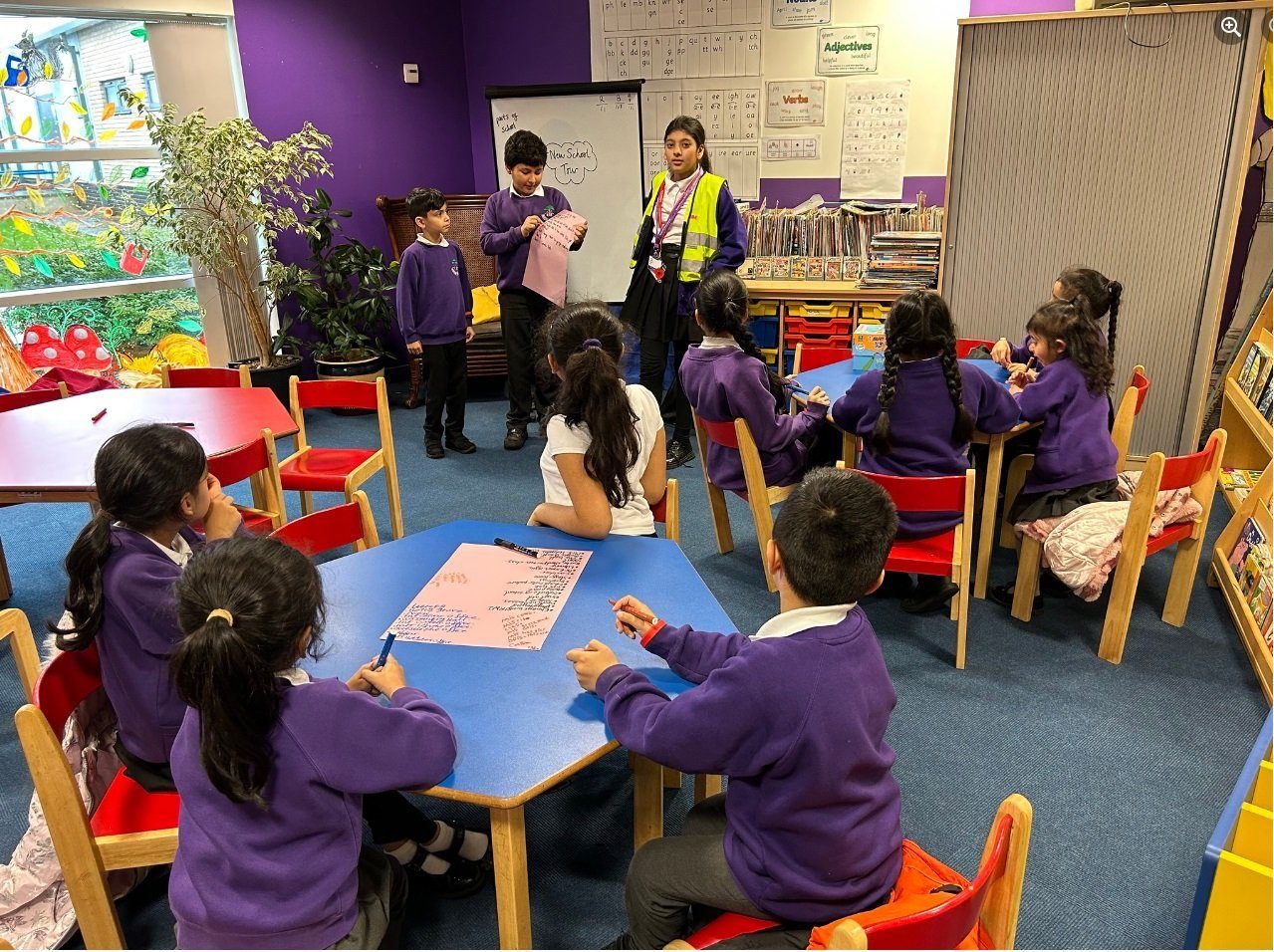
Prioritising regular, structured discussion helps pupils build confidence over time and makes pupil voice part of everyday school life.
This might include:
- weekly class discussions
- short tutor time prompts
- regular opportunities to share and reflect
Consistency is what turns pupil voice from an event into a habit.
3. Strengthen the link between classes and the council
In many schools, there can be a gap between class discussions and school council meetings.
This term is an opportunity to strengthen that connection.
Consider:
- how ideas from classes are gathered and shared
- how representatives communicate back to their peers
- how feedback is visible across the school
When this link is clear, the school council becomes a genuine reflection of pupil voice, not just a small group.
4. Focus on visible impact
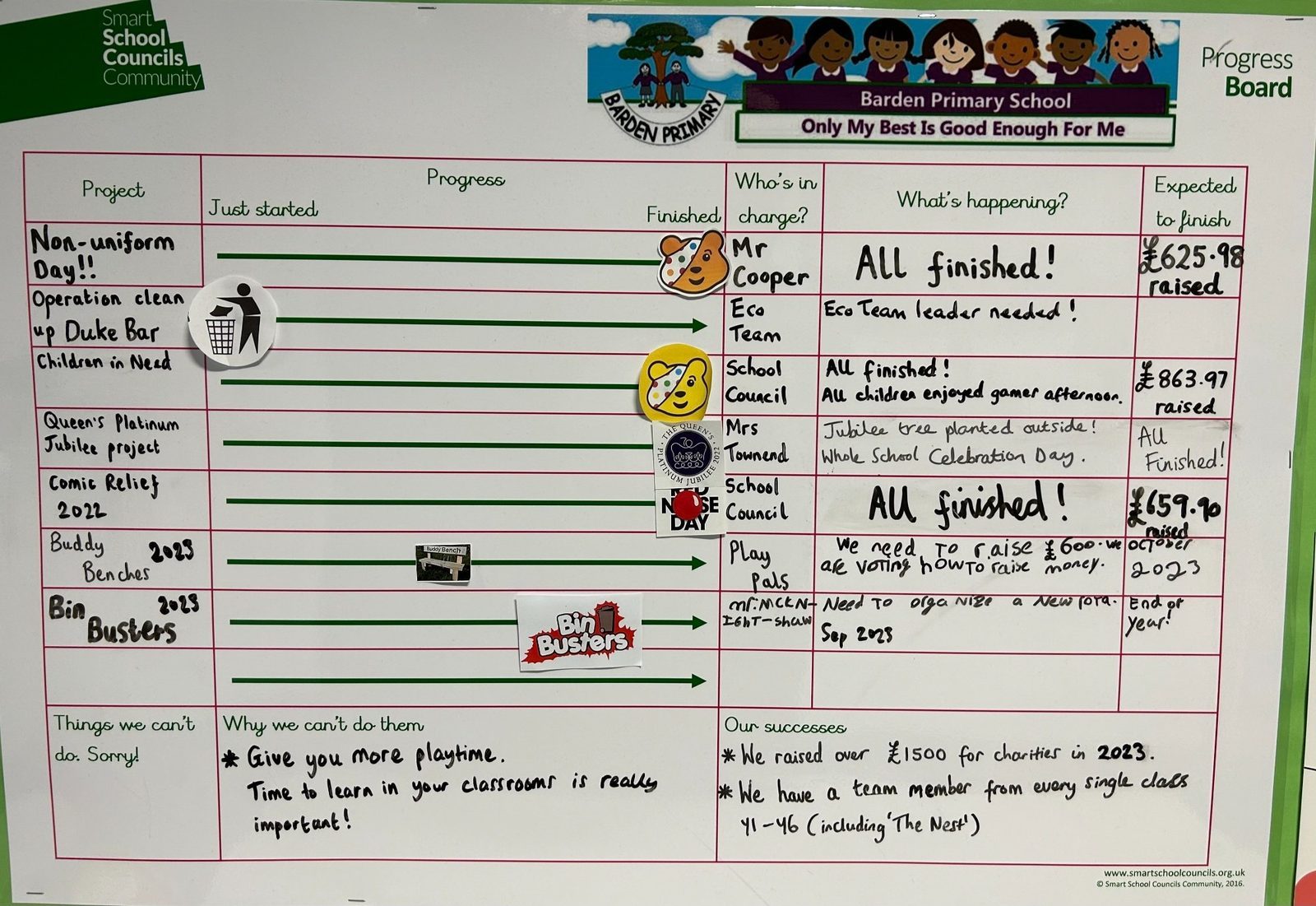
Pupil voice is most powerful when pupils can see that their ideas lead to change.
Prioritising visibility helps build trust and encourages ongoing participation.
This could include:
- sharing outcomes from discussions in assemblies or classrooms
- highlighting changes influenced by pupils
- celebrating pupil-led ideas and initiatives
Making pupil voice lead to action ensures that discussions feel purposeful and valued.
5. Keep it simple and sustainable
At this stage of the year, simplicity matters.
Effective pupil voice does not rely on complex planning. It works best when it fits into existing structures and routines.
Sustainable approaches:
- require minimal preparation
- align with PSHE, SMSC and tutor time
- use simple, repeatable formats
By keeping things manageable, schools are more likely to maintain strong pupil voice not only this term, but into the next academic year.
A strong finish to the year
Summer term is an opportunity to consolidate and strengthen pupil voice across the school.
By focusing on inclusion, consistency and impact, schools can ensure that pupil voice becomes embedded in everyday practice, rather than something additional.
This not only supports communication and confidence, but also helps create a culture where every pupil knows their voice matters.