The summer term often arrives quickly. With exams, events and end-of-year planning, it can feel like there is little time to introduce anything new.
However, this point in the year offers a valuable opportunity. With routines already in place, schools can focus on strengthening what is working and making pupil voice more consistent, inclusive and impactful.
Planning ahead does not need to be complex. A few clear priorities can help ensure your school council continues to develop without adding pressure to staff.
Here are five practical steps to help you prepare.
1. Set a clear focus for the term
Rather than trying to cover everything, identify one or two priorities for your school council.
These might include:
- improving participation across all pupils
- strengthening communication between classes and council
- focusing on a key theme such as wellbeing, behaviour or inclusion
A clear focus helps keep discussions purposeful and ensures pupil voice leads to meaningful outcomes.
2. Build in regular, structured discussion time
Consistency is key to effective pupil voice.
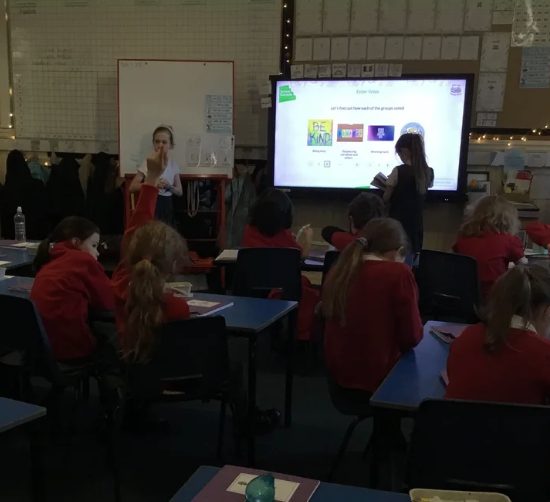
Planning short, regular opportunities for discussion across all classes ensures that every pupil has the chance to contribute.
This could take the form of:
- weekly class discussions
- tutor time conversations
- short form-time prompts
When these discussions are built into the timetable, pupil voice becomes part of everyday school life rather than an additional task.
3. Ensure every pupil can take part
A common challenge is that school councils often hear from the same confident pupils.
Planning ahead allows you to put simple structures in place to widen participation.
For example:
- using whole-class discussions before council meetings
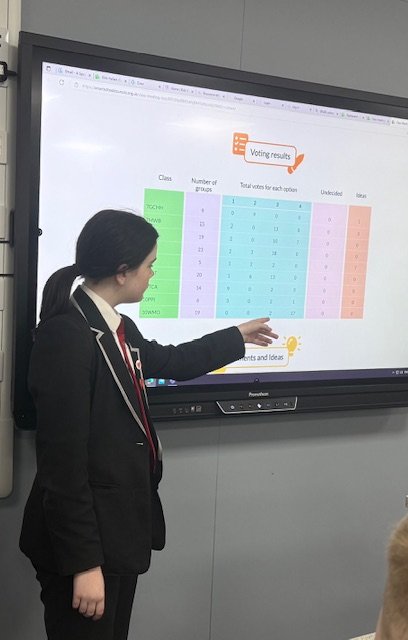
- gathering responses from every class, not just representatives
- using small group talk to support quieter pupils
This helps ensure pupil voice is inclusive and reflects the views of the whole school community.
4. Plan how pupil voice will lead to action
One of the most important elements of an effective school council is impact.
Before the term begins, consider:
- how ideas will be collected
- how decisions will be made
- how outcomes will be shared back with pupils
When pupils see that their ideas lead to real change, engagement and confidence increase significantly.
This is central to making pupil voice lead to action, rather than remaining as discussion alone.
5. Keep it manageable for staff
For pupil voice to be sustainable, it must fit within existing routines.
Effective approaches often:
- require minimal preparation
- align with PSHE, SMSC and tutor time
- use simple, repeatable structures
Short, consistent discussions are often more effective than one-off events and are far easier to maintain across a busy term.
Planning with this in mind helps ensure pupil voice strengthens over time without increasing workload.
Looking ahead to the Summer Term
The Summer Term is not about starting from scratch. It is about refining, embedding and strengthening what is already in place.
By focusing on clear priorities, consistent routines and inclusive participation, schools can ensure their school council continues to grow in impact.
Most importantly, this approach helps create a culture where every pupil has the opportunity to be heard and to see that their voice makes a difference.