

Summer term can be one of the busiest times in the school year. With SATs, exams, trips and end-of-year events, it can be easy for school councils to lose momentum.
However, this is also a valuable opportunity.
With routines already established, schools are well placed to maintain pupil voice and ensure it continues to have impact through to the end of term.
Keeping your school council active does not require new initiatives. It is about maintaining simple, consistent routines that keep pupils engaged and involved.
Here are four practical ways to do this.
1. Keep discussions short, regular and focused
When time is limited, shorter discussions are often more effective.
Rather than pausing pupil voice activity, aim to maintain quick, structured opportunities for pupils to share their views.
This might include:
- a weekly discussion question during tutor time
- short class conversations linked to current priorities
- quick check-ins on ongoing topics
Keeping discussions focused helps ensure they remain manageable for staff while still giving every pupil a voice.
Consistency is key. Even brief, regular discussions help maintain confidence, participation and engagement.
2. Focus on topics that feel relevant to pupils now
Engagement is highest when discussions connect to pupils’ current experiences.
The Summer Term provides a range of relevant themes, such as:
- preparing for transitions or moving year groups
- reflecting on what has worked well this year
- suggesting improvements for the next academic year
- wellbeing and managing end-of-year pressures
When pupils can see the relevance of discussions, they are more likely to contribute thoughtfully.
These conversations can also provide valuable insight to support planning for the following year.
3. Share outcomes and celebrate impact
As the year draws to a close, it is important to reflect on what pupil voice has achieved.
Taking time to share outcomes helps reinforce the value of pupil voice and encourages continued participation.
This could include:
- highlighting changes influenced by pupils
- sharing feedback in assemblies or classrooms
- celebrating examples of pupil-led ideas
When pupils see that their contributions have made a difference, it strengthens confidence and motivation to take part in the future.
It also helps ensure that pupil voice leads to action, not just discussion.
4. Keep it light and enjoyable
The Summer Term is also a time to celebrate, and pupil voice should reflect that.
Not every discussion needs to feel formal or focused on improvement. Creating space for more relaxed, enjoyable conversations can help keep pupils engaged and willing to take part.
What this can look like in practice:
Schools might introduce lighter discussion topics, outdoor conversations or themed sessions that feel different from the usual routine.
For example:
- What has been your favourite moment this year?
- What would make the end of term even better?
- If you could plan one fun activity for the school, what would it be?
You might also take discussions outside, link them to events happening in school, or simply allow pupils to enjoy the opportunity to talk and share ideas in a more relaxed setting.
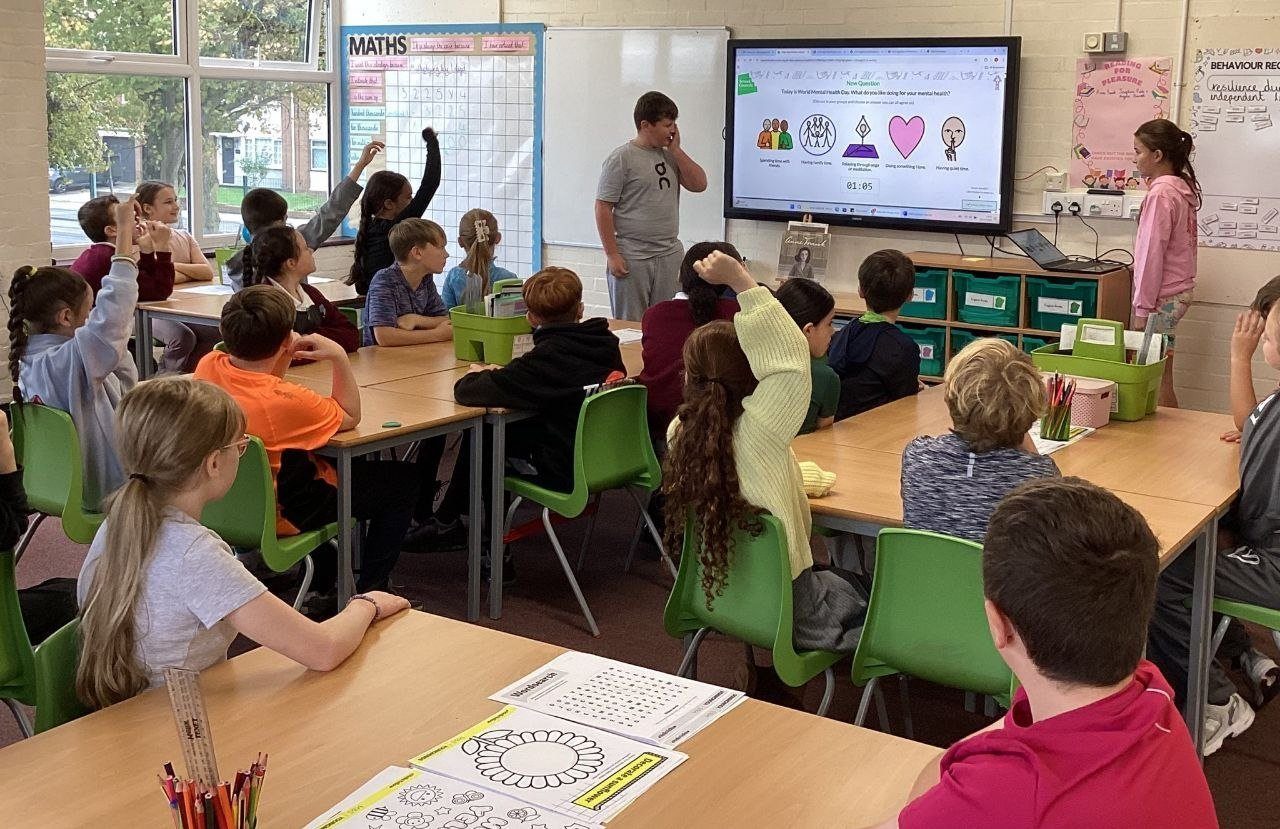
Keeping pupil voice enjoyable helps maintain participation, especially during a busy term, and reminds pupils that their voice is not only important, but something they can enjoy using.